
Sod Installation
New lawn over a prepared and appropriately graded area. Confirm soil preparation, final levels, access and watering arrangements before laying the surface.
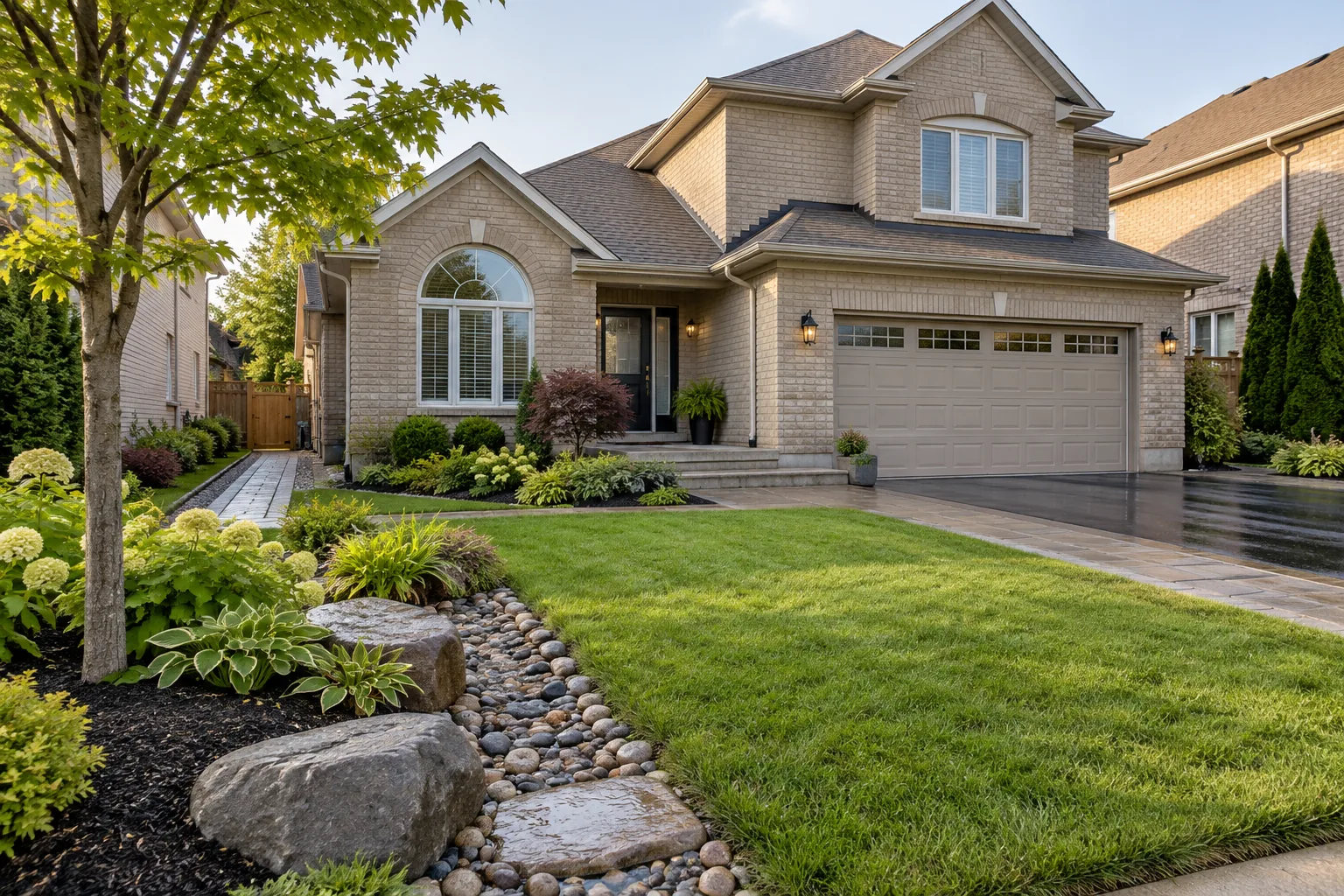
Site First. Finish Second.
Healthy grass, useful gardens and workable water movement share the same ground. Start with the condition of the site, then choose installation, repair or recurring care that suits the space and the way you use it.
A greener lawn does not begin with grass alone. Water, light, ground preparation and the way people move through the yard influence what will establish and what will remain practical. Gardens and surface-water routes belong in the same conversation, especially when the existing property is wet, compacted, shaded or difficult to maintain.
A worn lawn can reflect foot traffic, poor establishment, shade or an underlying site issue. Look at when the problem occurs and whether it affects the same area after rain. Replacing the surface without understanding the conditions can leave the new material struggling in exactly the old location.
If the levels and water route are sound, preparation and renewal may be the right scope. If a low area holds water or a downspout repeatedly saturates the lawn, assess those conditions before deciding between new sod, overseeding or another surface. Yard grading and leveling addresses the shape of the ground; landscape drainage examines how surface water enters, travels and leaves it.
Routine mowing and seasonal care are a different need from reconstruction. Describe whether you want to establish a new surface, improve a lawn that remains broadly viable or maintain a property that already works. This avoids treating every thin patch as a reason for complete replacement.
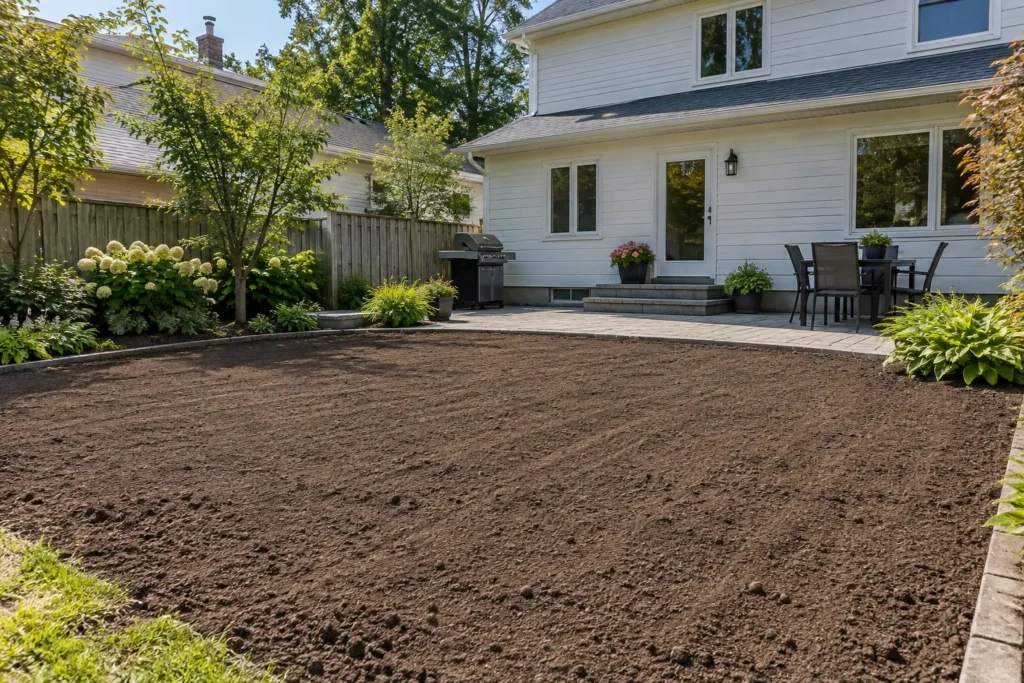
New lawn over a prepared and appropriately graded area. Confirm soil preparation, final levels, access and watering arrangements before laying the surface.
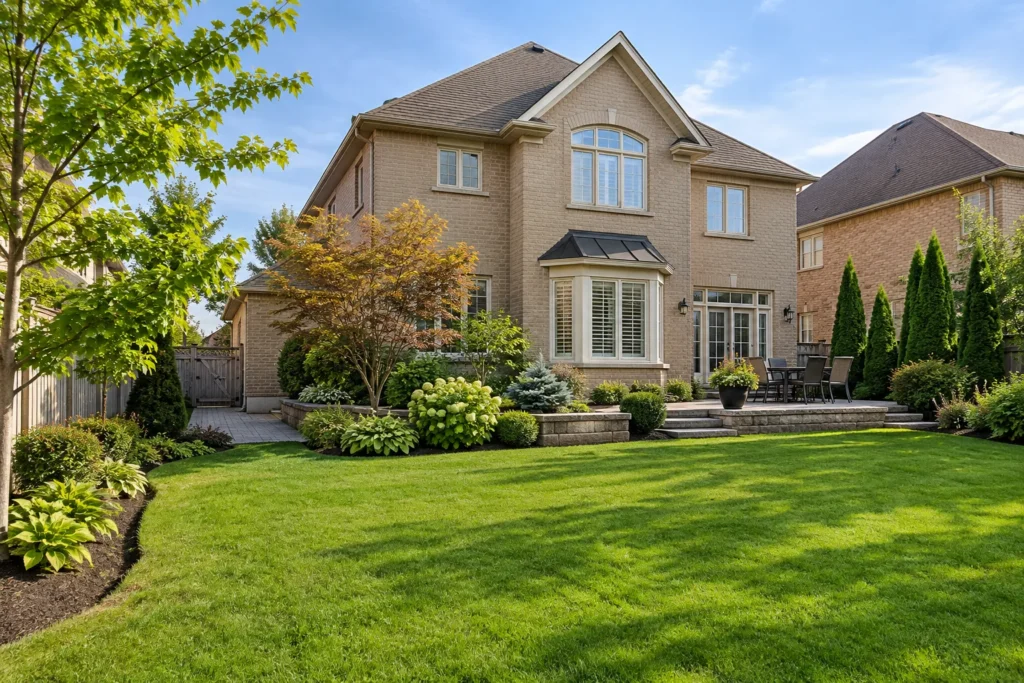
Recurring care for an established lawn, with agreed tasks and frequency. Keep mowing access, lawn edges and seasonal debris management practical.
Renew a viable lawn where compaction or thin coverage is part of the problem. Match preparation and seed selection to conditions rather than promising recovery of every patch.
Consider a different wearing surface with its own base, edge, drainage and cleaning needs. Discuss heat, pets and expected use alongside appearance.
| What you notice | Question to resolve | Work to consider |
|---|---|---|
| Lawn is thin but the yard drains | Is light, traffic, care or soil condition limiting growth? | Aeration, overseeding or focused soil and lawn renewal |
| Bare ground after construction | Are heavy work and final levels complete? | Soil preparation and sod or seed establishment |
| Water sits in the same low area | Where does water arrive and where can it properly go? | Grade and surface-water assessment before replacement |
| Beds overwhelm the available care | Are plant choices, spacing and access practical? | Garden redesign, selective renewal and agreed maintenance |
| Screening blocks the side approach | How wide will plants be at maturity? | Privacy planting with retained access and appropriate spacing |
Good planting uses the actual sun and shade of the yard, including the changing light from buildings and mature trees. A plant chosen for a sunny photograph may not suit a shaded side strip. Mature size matters as much as the nursery size: leave room near windows, paths and gates so the planting does not become a future obstruction.
Start with a clear garden shape that can be reached for watering, weeding and pruning. Grouping compatible plants and using a manageable edge can be more helpful than packing every bare area with a different species. Discuss the amount of seasonal care the household will undertake, then select an installation and maintenance approach that supports it.
Privacy planting needs a specific purpose. Identify the view to screen and the useful height at the seating area. A combination of appropriate hedge planting, retained trees and a considered structure can keep the rest of the yard open. Shared fences, neighbouring roots and protected trees require attention before excavation or new soil changes.
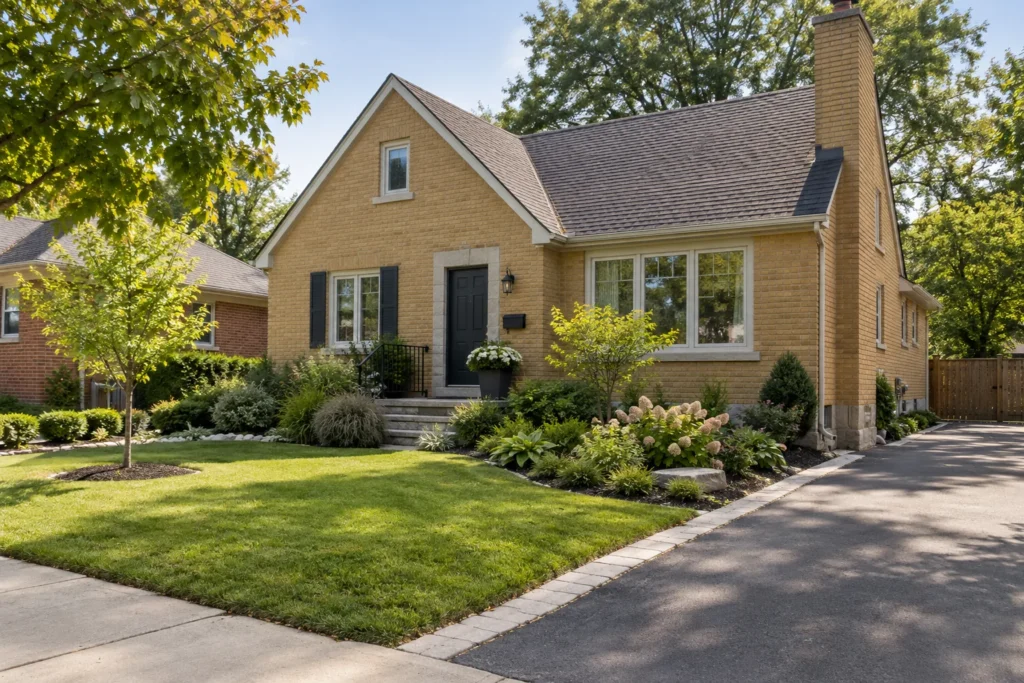
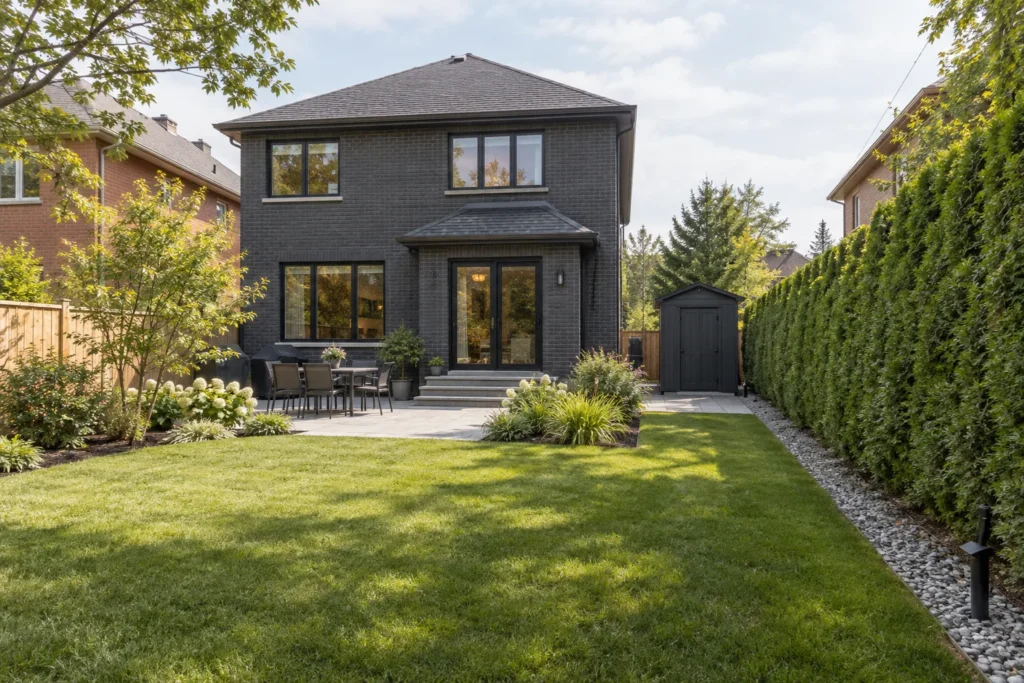
Plan bed shapes, seasonal interest, mature plant spacing and practical access for the light and conditions of your property.
Prepare and install a defined garden scope, with appropriate soil, plant placement and establishment-care expectations.
Match woody plants to available room, overhead and underground constraints, drainage and future growth rather than selecting by height alone.
Develop targeted screening while retaining useful paths, light and mature root and canopy room.
Choose a bed finish suited to the plants and care routine, with sensible depth, transitions and protection around trunks.
Agree the ongoing care needed for existing beds, including seasonal cleanup and the specific pruning or weeding tasks within scope.
Observe the yard during and after rain if it is safe to do so. Note where roof discharge reaches the ground, whether a low strip is an intended swale and whether paving or added soil has interrupted the route. Include the neighbouring context without assuming permission to send water onto another property.
A drain is useful only when its location, capacity, outlet and maintenance have been considered. A collection point with nowhere appropriate to discharge may not solve the problem. Regrading can also have consequences for foundation exposure, tree roots and adjoining land. Establish those relationships before choosing an underground device or raising the lawn.
Landscape surface-water work is distinct from basement waterproofing, sewer correction and engineered stormwater design. Where the proposed solution needs professional plans or an authority-approved connection, define that requirement early. Keep existing drains and swales accessible for inspection and seasonal clearing after the yard is finished.
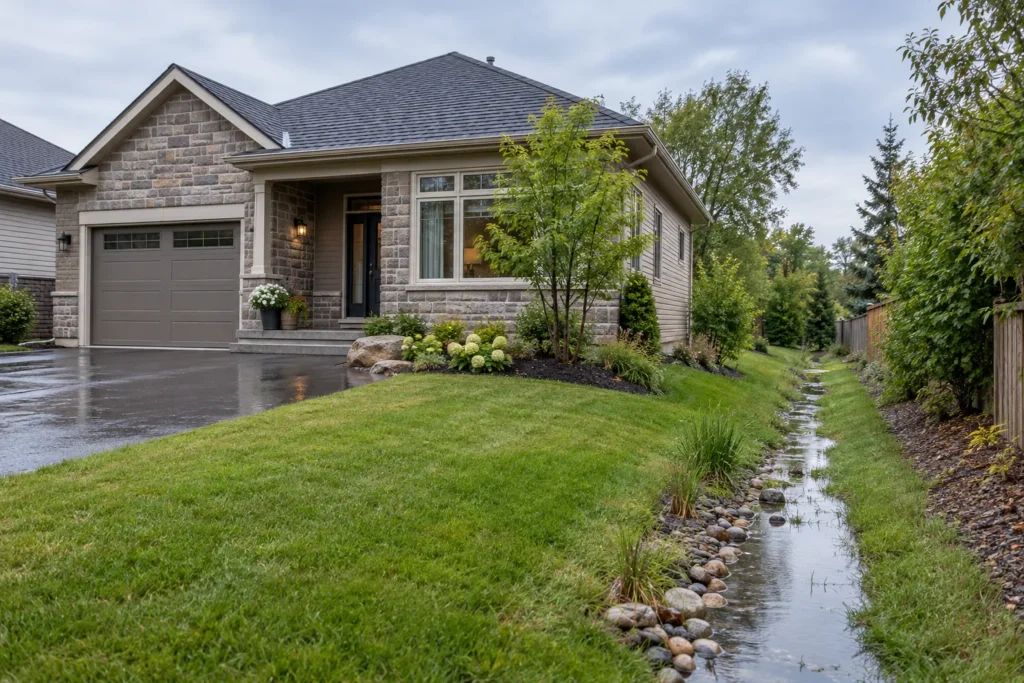
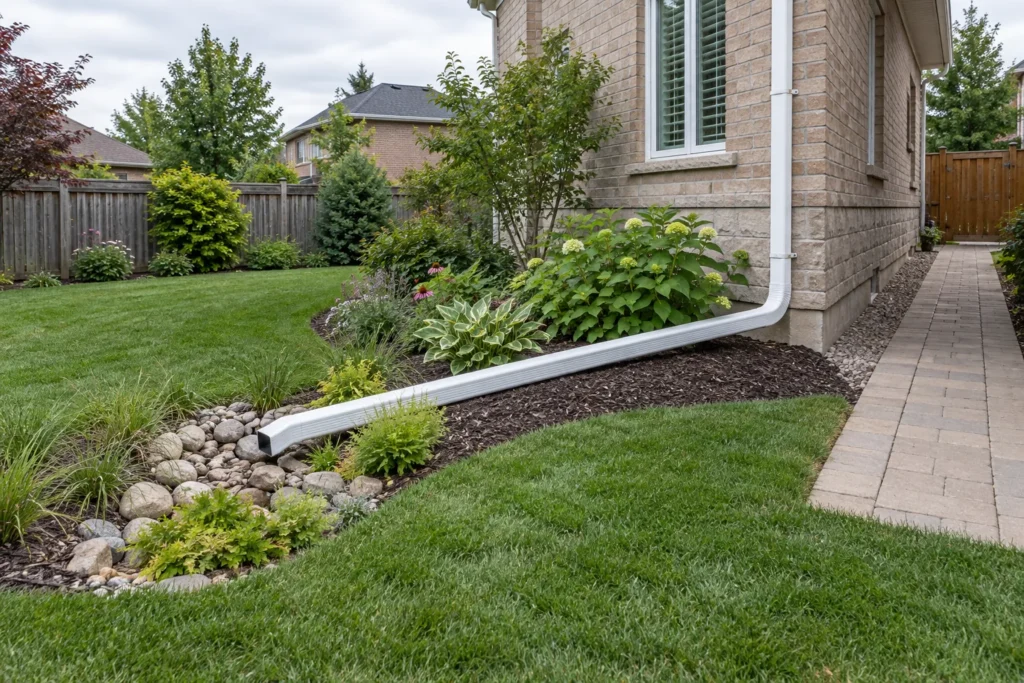
Review and change the ground profile where appropriate, connecting usable lawn and hardscape heights with a considered water route.
Examine surface-water sources, routes, collection and appropriate outlets before selecting drainage work.
Investigate recurring wet areas and establish which ground or water conditions need attention before renewing the lawn or garden.
Review roof discharge and its receiving area as part of the property’s surface-water plan, with maintenance and authority boundaries considered.
Burlington’s site-alteration process covers proposed filling, grading and excavation according to the work and property conditions. Use the City’s screening and confirm the required review. Tree protection can affect soil placement, roots and equipment access as well as removal. These checks should happen before new soil or construction changes are committed, with qualified advice when the scope calls for it.
Information reviewed:
Resolve required underground and ground-level work before installing the new lawn. Final elevations, surface-water routes and access for heavy equipment influence the prepared area. New sod should follow that work rather than being laid where it will soon be removed or repeatedly saturated.
No. Manageable planting, reachable beds and sensible edges can reduce care without removing the garden. Stone can be appropriate in some areas, but it still collects debris and can support weeds. Choose the finish with the plants, heat, water movement and maintenance routine in mind.
Nursery size is only the beginning. Spacing should account for mature growth and the care required to keep access open. A targeted screening plan may combine planting with another appropriate feature, rather than forcing dense plants into a strip that cannot accommodate them.
Provide wide views, close details and photographs taken after rain, together with the timing and duration of the water. Show nearby downspouts, paths, drains and side-yard levels. Avoid entering flooded or unsafe areas to gather photographs.
Tell us whether the priority is a new lawn, a garden improvement, ongoing care or a recurring water problem. Include the areas affected and any heavy construction planned elsewhere on the property.
Tell us what you would like to change, repair or maintain around your property.