
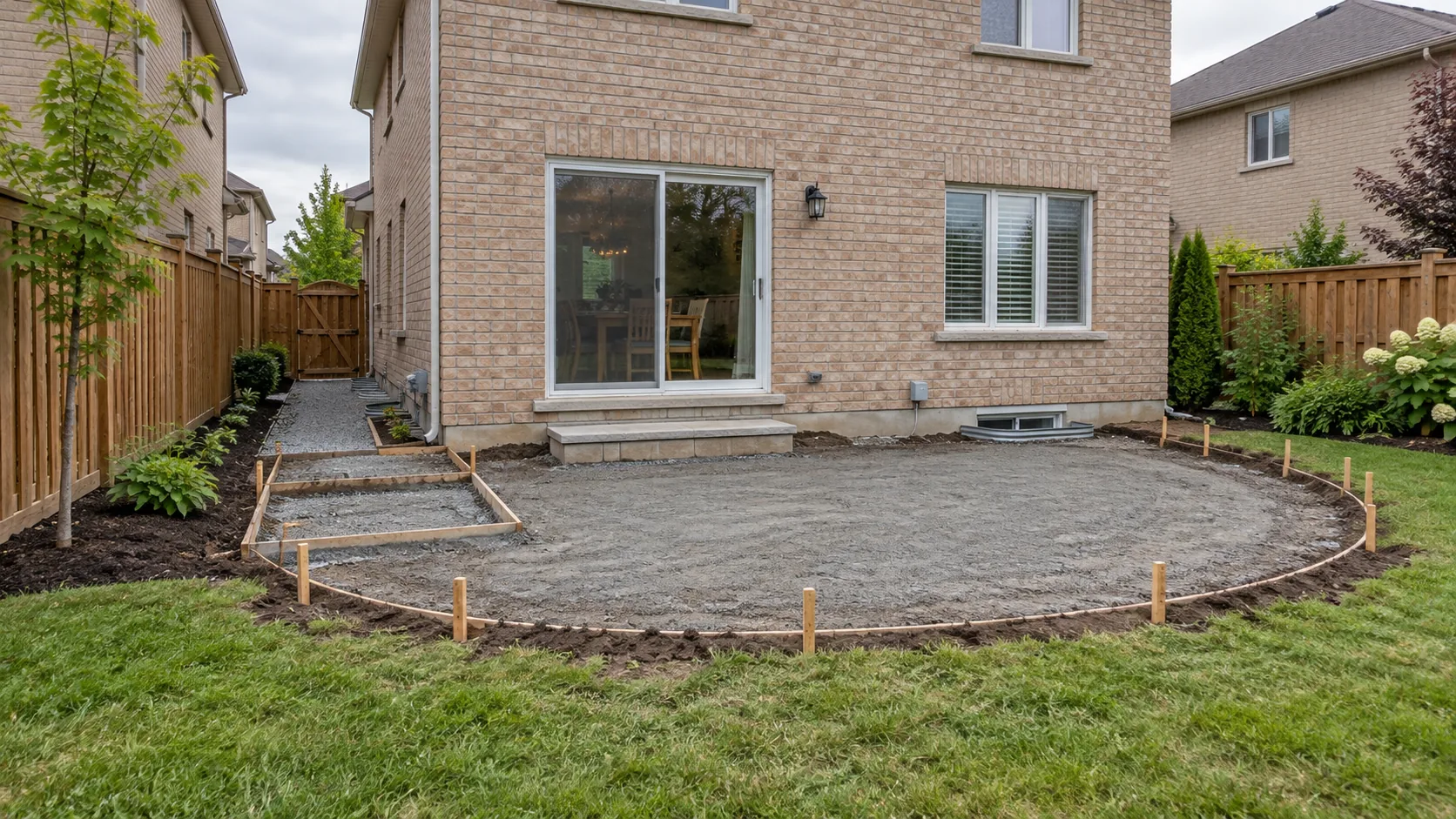
Site first · Scope · Sequence · Care
Landscaping Process
Follow a site-first landscaping process: understand the property, define the work, coordinate construction and plan the care that follows.
A clear process begins with the existing property
A landscaping project starts before material selection. The first task is to understand what needs to work better and what the site will allow. A small entrance repair and a complete backyard can need very different scopes, but both benefit from the same order: establish the problem, read the conditions, make the important decisions and only then settle the visible finish.
This process is a framework for useful project conversations. It does not set a universal timetable or promise that every property will follow identical steps. Access, weather, hidden conditions, required approvals, material decisions and other work on the house can change the sequence. The practical goal is to make those dependencies visible before they become avoidable changes during construction.
You can begin without drawings or a final product list. Explain how the area is used now, what is frustrating and what a successful change would make possible. If there are several priorities, put them in order. A route that remains safe to use may matter more immediately than replacing every surface. Clear priorities help distinguish necessary preparation from optional features.
From first description to an agreed scope
Describe the use and the problem
Identify the property type and the areas involved. Explain who uses them, how people arrive and what is difficult today. For recurring care, name the actual lawn, bed, entrance or winter route rather than asking for an undefined general cleanup. For construction, describe the desired change in practical terms: room to dine, a reliable entrance or a yard that is easier to maintain. Wide photographs and close details can begin the discussion without pretending to replace a site assessment.
Read the access route
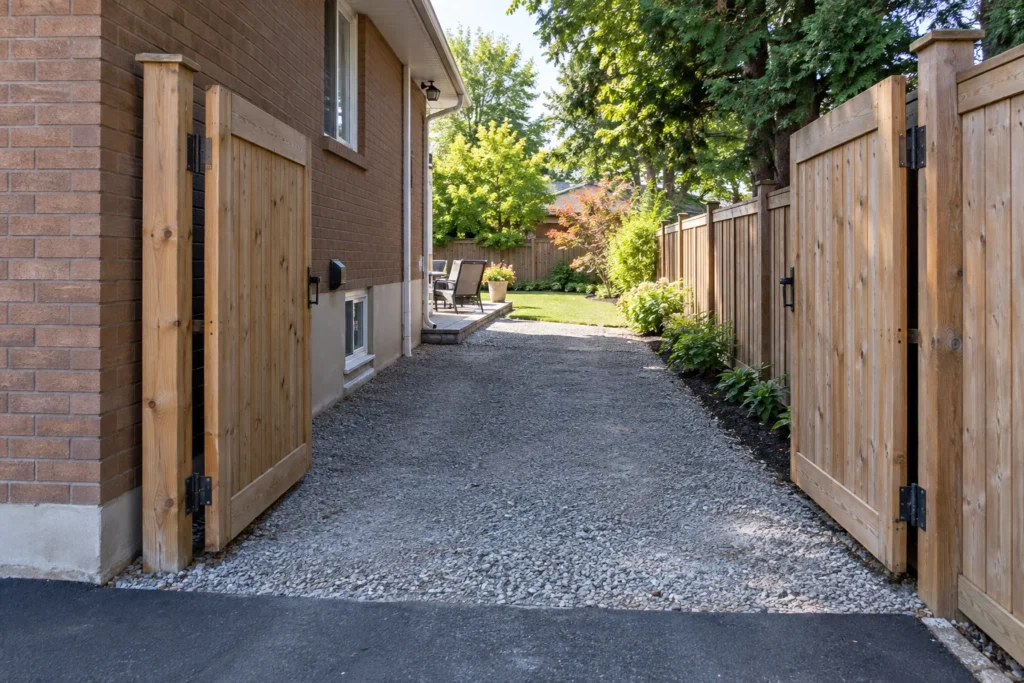
Look beyond the space being changed. Materials, excavation and removed material need a workable route between the arrival point and the work. Gate openings, overhead obstructions, steps, neighbouring property and existing finished surfaces can affect the approach. Decide which areas need protection and how everyday access will continue. Keep the future in view as well: a newly installed fence or narrow path should not unintentionally block later service to the yard.
Understand grade, water and existing features
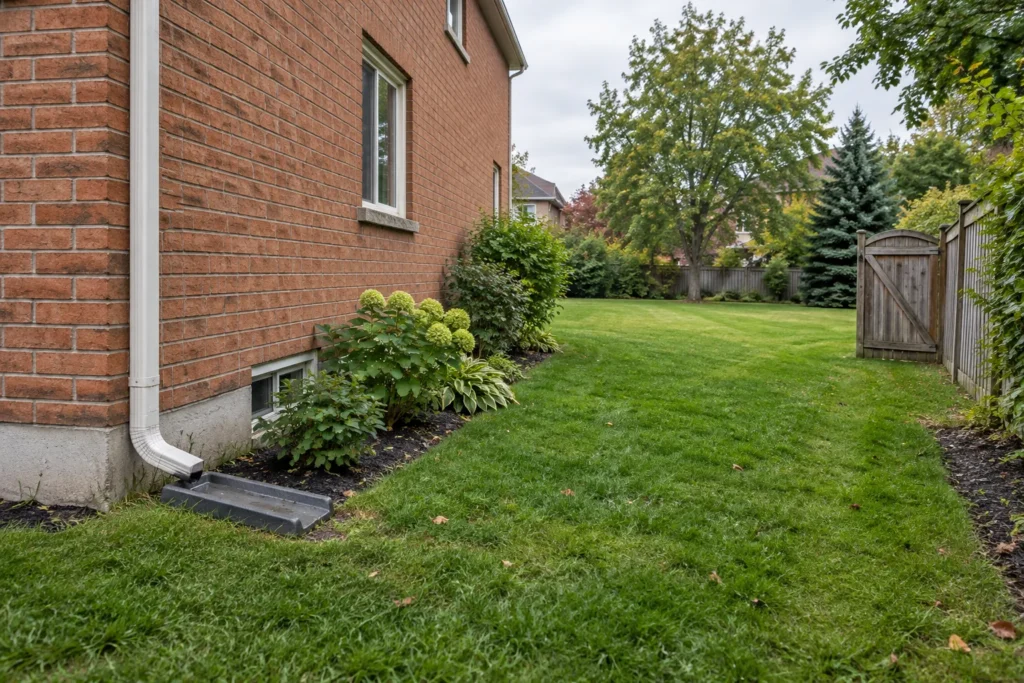
Review levels at the house, doors, steps, boundaries and adjacent surfaces. Trace roof and surface water as far as the available evidence permits. A proposed patio height may affect a step; a wider path may change a useful drainage route. Record mature trees, structures and services before choosing excavation limits. Some questions need additional site information or specialist input. Do not treat a dry-weather photograph as proof of the drainage pattern or a visible fence as a surveyed boundary.
Define decisions and review requirements
Separate the requested outcome from the exact work proposed. Decide what is retained, removed, repaired or added, then identify which choices depend on approvals or other advice. Utilities, protected trees, the road connection, structures and grade changes can require separate checks. Record who is responsible for obtaining information and permissions, and what must be resolved before work proceeds. An assumption left inside a short verbal description can become a very different expectation when materials arrive.
Coordinate the construction underneath
Hardscape and retaining work depend on what supports them. Discuss the proposed preparation, transitions, edge conditions and water management as part of the scope. Confirm how related work fits together so a finished patio is not immediately opened for a later service connection, and new soil is not used as a material route. The suitable detail depends on the site and design; a universal depth or one repeated construction formula is not a substitute for understanding the actual conditions.
Set the finish and planting relationship
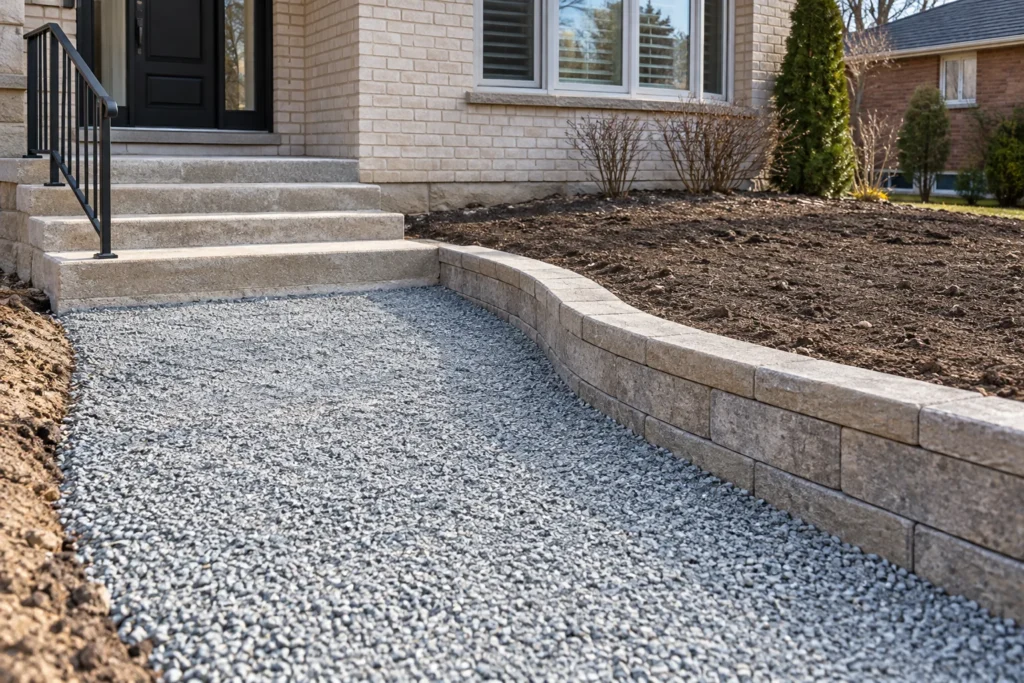
Choose visible materials after the layout and levels make sense. Consider how paving meets lawn, how steps meet routes and how beds can be reached for care. Plant sizes, light, existing roots and future growth affect the useful planting area. Keep furniture, gates, bins and maintenance tools in the layout rather than treating them as later additions. If work is divided into phases, describe the temporary condition and what must remain accessible between them.
Confirm changes during the work
A useful scope should also explain how a change is handled. If removal exposes an unexpected condition, identify its effect before deciding the response. Clarify any revised area, material, cost or sequence in writing rather than relying on two different memories of a conversation. Keep decisions connected to the intended result. Replacing an unseen component may be justified by its condition; adding an unrelated feature is a separate choice. The owner should understand which decision is being made.
Review the finished transitions and future care
At completion, review the work against the agreed areas and decisions. Look at entrances, edges, gates, service access and the connection between constructed surfaces and planting. Discuss what can be used immediately and what needs particular care according to the actual material or planting supplied. Keep relevant product information and written care guidance together. A landscape remains useful through ordinary maintenance, so the design should leave sensible routes and reachable edges rather than depend on difficult access.
Make the written scope easy to compare
| Question | What the description should make clear |
|---|---|
| What area is included? | Boundaries of the work, retained features, removals and any excluded areas. A rough area description is not the same as a measured construction layout. |
| What happens before the finish? | Preparation, required information, related work and the conditions that must be resolved before surfaces or planting are installed. |
| What remains an owner decision? | Material selections, permissions, access arrangements and any separate services that are not included in the landscape scope. |
| What if the site differs from expectations? | How hidden conditions and requested changes are discussed, documented and agreed before additional work is undertaken. |
Questions about starting
Can the project be completed in phases?
Phasing can be useful when priorities, access and budget need to be balanced. The first phase still needs to account for later work, especially excavation, routes and levels. Identify what will be temporarily unfinished, how it will be used and which later task could disturb it. A phase should have a coherent outcome, rather than simply stop at an arbitrary material boundary.
Do I need to choose materials before making contact?
A few preferences can help, but a final product list is not necessary to explain the property. Begin with the purpose, existing issue and photographs. Material choice is more useful once the area, levels and everyday use are understood. Compare landscaping quotes for more detail on evaluating the scope behind the finish.
Confirm site-specific responsibilities
Before excavation or construction, confirm the applicable utility, municipal and property requirements for the actual work. Building, site alteration, tree and road permissions answer different questions. Where another owner, condominium corporation or agency is involved, establish that responsibility in the scope.
Information reviewed: