
Skip to content

Explore services

Request an Estimate
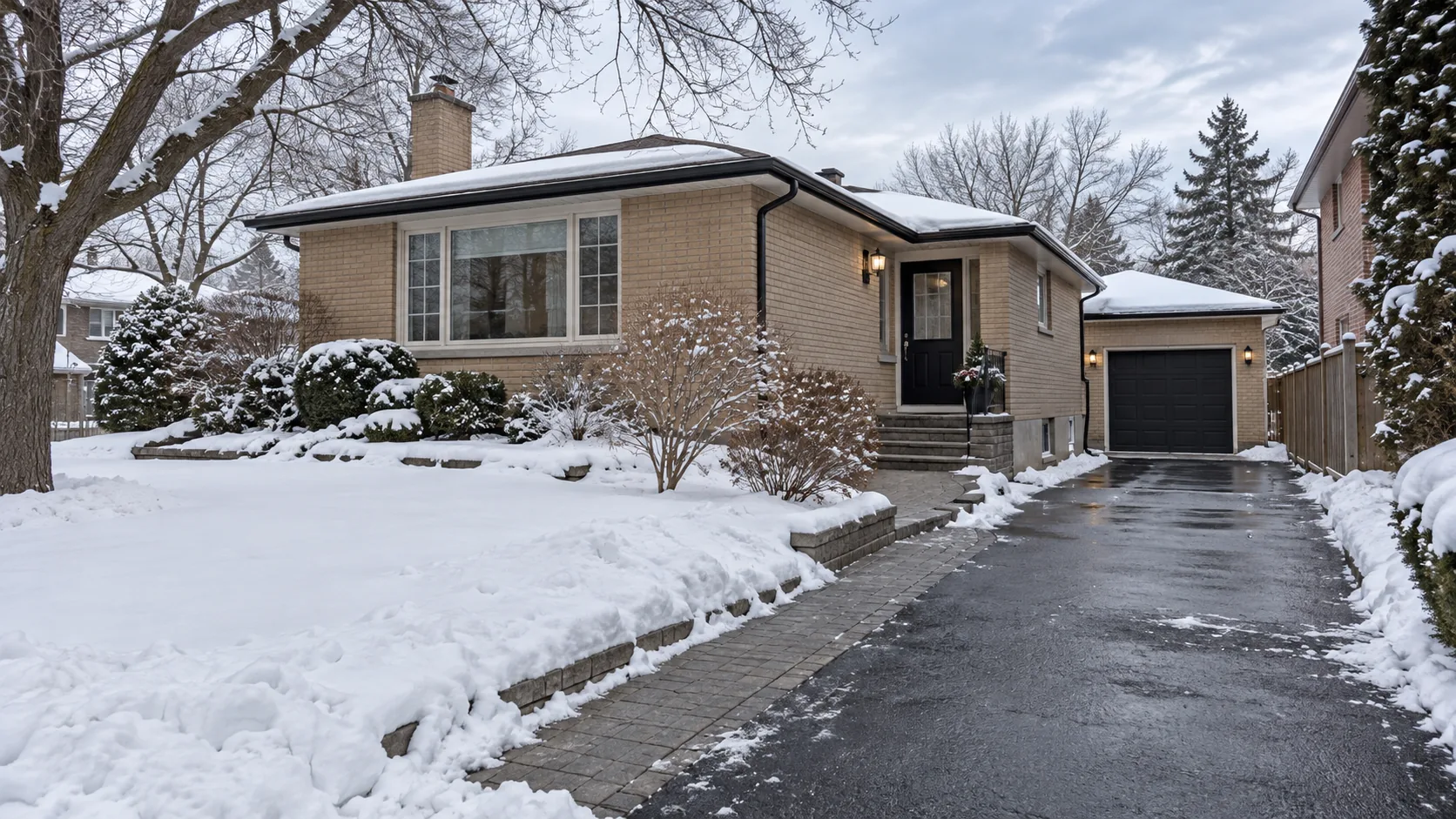
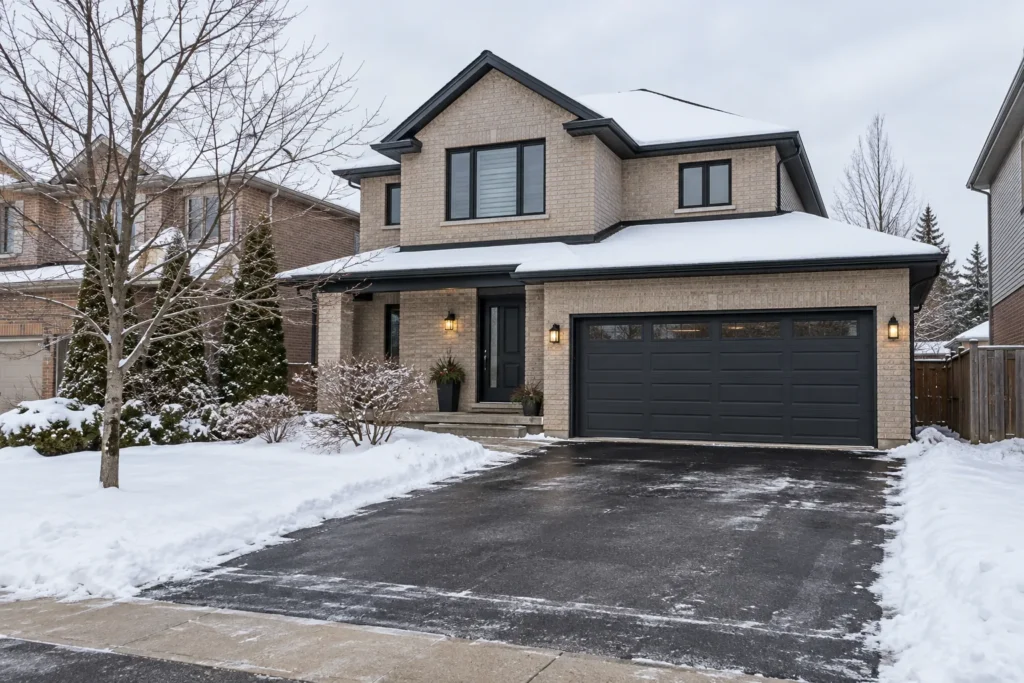
Ordinary Burlington/GTA driveway and entrance cleared after realistic fresh snowfall

Residential Snow Removal in Burlington

Residential Snow Removal

Plan private driveway and entrance clearing around household access, parked vehicles, suitable snow storage and the service terms agreed for your property.

Residential snow removal is about getting between the house, vehicle and usable private access routes through changing winter conditions. The driveway is only one part of that journey. Front steps, a landing, a side gate or a short walk can be just as important, and none should be assumed included without a clear property scope.

A Burlington snow enquiry should identify the areas to clear, the household’s access concerns and where snow can be stored appropriately. It should also establish how the actual service works: its seasonal limits, trigger, timing approach and any windrow or return-visit arrangements. Those are terms to confirm for the provider and property, not promises that can be inferred from a general service page.

Show the route from driveway to door

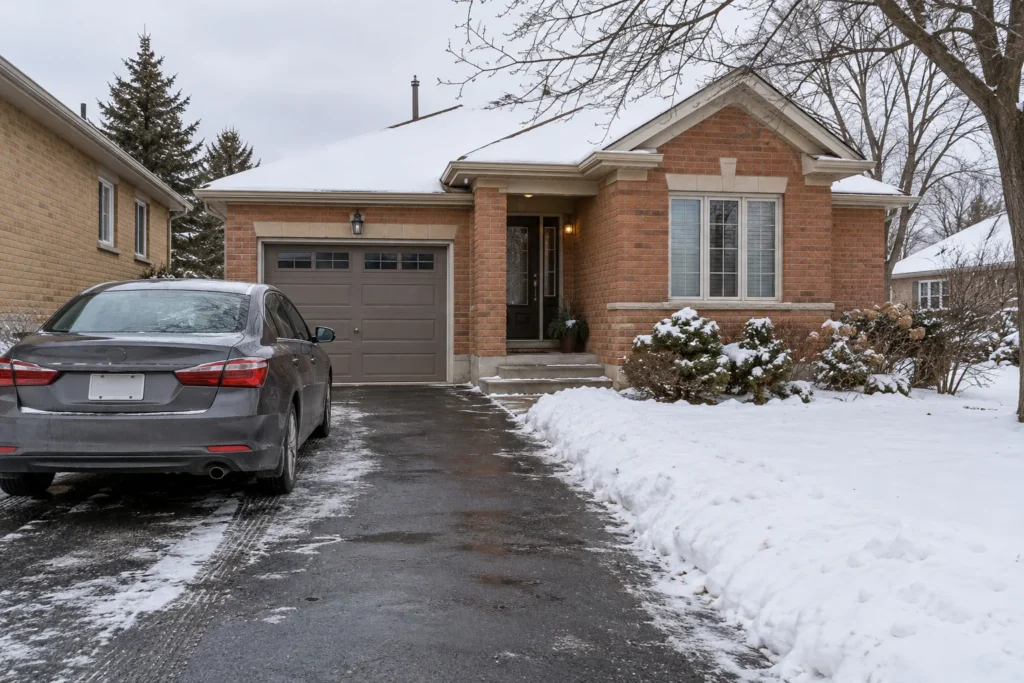
Begin with a photograph of the full driveway, garage and entrance. Describe the usual vehicle positions and the space available beside them. Parked cars can leave inaccessible sections, and moving them may require household coordination. Confirm what can be cleared when a vehicle remains in place and what, if anything, happens after it is moved.

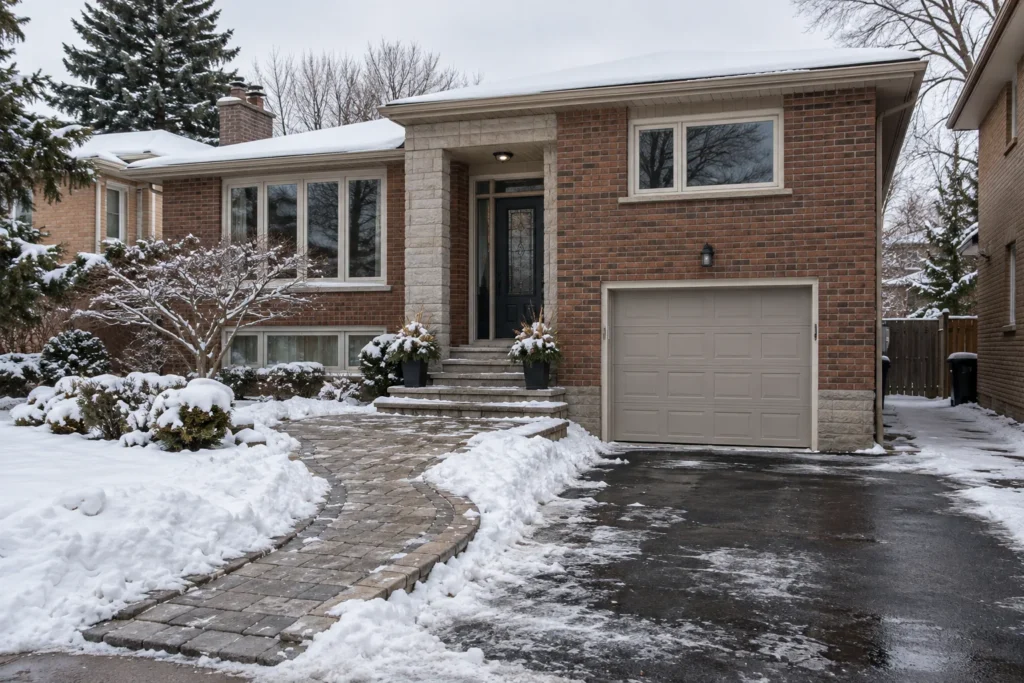
Include the front walk, steps and landing if those areas are part of the request. Identify changes in level, handrails, narrow corners and doors that open over the clearing area. A driveway-only arrangement does not automatically cover every route around the house. The path used by someone with limited mobility deserves particular attention when defining the actual included work.

Mark fragile edges, low fixtures, drains and surfaces that can be hidden by snow. Existing uneven pavers or broken steps should be documented before winter. Clearing is not a repair to those conditions, and an unresolved threshold or drainage problem may continue to affect access even after loose snow is removed.

Clear private driveway reaching garage with parked-vehicle constraints
Private front walk and steps kept visibly accessible

Confirm the areas and events separately

Confirm the areas and events separately
ItemQuestion for the service arrangementWhy it matters
Private drivewayWhat area is included and how are parked vehicles handled?The reachable area changes when cars remain in place.
Entrance walk and stepsWhich route, landing and steps are included?A clear driveway does not necessarily provide access to the door.
Road-plow windrowIs clearing the driveway-mouth ridge included, and under what terms?Municipal plowing can occur after private clearing.
Extended snowfallWhat triggers service and how are further visits handled?Snow can accumulate again while a storm continues.
Ice or refreezeWhat assessment or treatment, if any, is included?Removing snow does not guarantee a dry or ice-free surface.

Windrows and snow storage need their own decisions

A windrow is the ridge left where road plowing crosses the driveway entrance. It is different from the snow that fell on the private driveway, and its timing depends on municipal operations. Ask specifically whether the private arrangement covers it, what event triggers that work and how it is coordinated when the road plow passes after a visit.

Choose suitable storage areas before the snow arrives. Piles should not block the private walking route, required access, visibility or a drain needed for meltwater. Lawn margins may be useful, but delicate planting, low fixtures and limited frontage can constrain them. More driveway width does not automatically create more storage space once vehicles and the front walk are considered.

Snow should not be pushed onto or across a road or into bike lanes. Municipal sidewalks also need to remain available for their intended use and clearing. Keep the distinction between private clearing and public infrastructure clear when planning the work. A tight property may need a different storage or removal arrangement, which must be assessed and priced rather than assumed included.

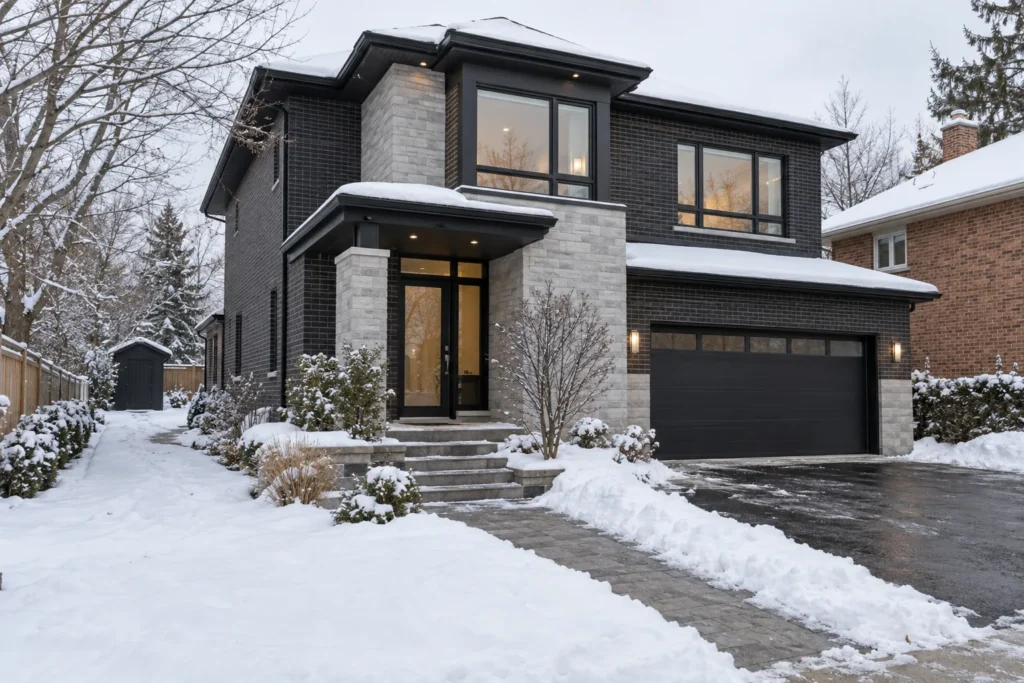
Driveway-mouth windrow shown separately from cleared private surface
Snow stored on suitable lawn without blocking road or sidewalk

Burlington municipal service and private service have different scopes

Burlington clears municipal roads and sidewalks according to its winter priorities. Private service is arranged for the driveway, entrance, steps and private paths specifically included in the agreement. The City also has a registered windrow-clearing program with its own seasonal registration, capacity, scope and timing; it is not automatic clearing of every driveway.

Check the current City pages for municipal information and any applicable program details. City targets do not define a private provider’s trigger or response time. Confirm the private scope separately, including windrows, ice treatment, prolonged snowfall and any additional visits.

Information reviewed:

Understand triggers, timing and return visits before winter

A useful agreement explains when service is initiated and how changing conditions are handled. No universal trigger, guaranteed arrival time or unlimited return-visit promise should be assumed.

The service trigger

Ask what accumulation or event initiates the included work, how that condition is determined and whether different areas have different arrangements. Confirm whether the service is automatic under the agreement or requires an authorised request.
The timing approach

Describe important household needs and ask what the provider can actually offer. A preferred departure time is useful information, but it is not a confirmed arrival guarantee. The agreement should explain relevant limitations and communication arrangements.

Continuing snowfall

A driveway can accumulate snow again after a visit during a long event. Confirm the approach to prolonged storms, later passes and work after snowfall ends. Do not equate an initial visit with a promise that the property remains clear throughout the storm.

Additional work and fees

Clarify seasonal versus event-based arrangements where available, included visits, windrow work, special requests and any off-site removal. No price model or extra service should be assumed until it is confirmed in the property-specific proposal.

Meltwater, refreeze and secondary routes remain important

A cleared surface can become icy again when meltwater crosses it or temperatures fall. Identify downspouts, low pockets and shaded entrance sections before winter. Snow removal is not a guarantee against every slippery condition. Ask what observation, reporting or ice treatment is actually available and included, rather than treating it as an automatic consequence of plowing.

Side-yard paths and gates need deliberate inclusion. A route used for bins, pets or a secondary door may be narrow and difficult to store snow beside. Confirm the practical limits and keep the gate operable if that access is required. A private path behind a locked gate cannot be assumed available for service without an agreed entry arrangement.

Where a recurring water problem affects the entrance, consider the underlying landscape outside the winter season. Front yard landscaping can coordinate walking routes, levels and storage margins. Planning front-yard snow storage explains how summer layout choices influence winter practicality without suggesting that design removes all weather-related risk.

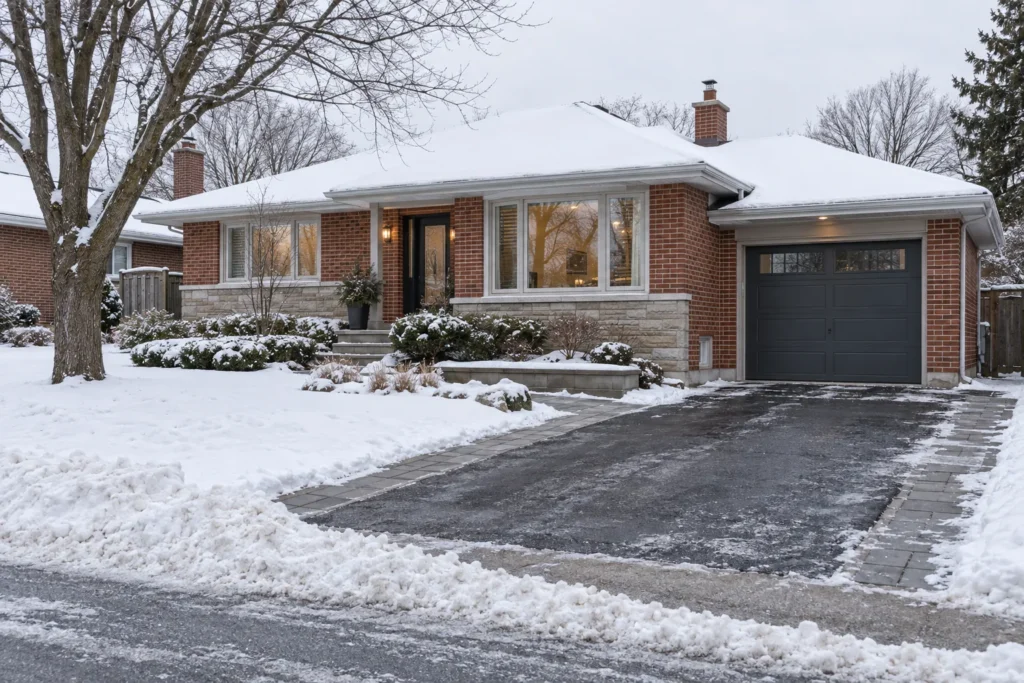
Meltwater and refreeze condition visible near an entry
Side-gate access included only as a clearly defined private area

Prepare a useful residential snow enquiry

  1. Map the private areas

    Identify the driveway, garage apron, entrance walk, steps and any secondary route you want considered. Mark exclusions and usual vehicle locations. Include photographs before snow hides edges and fixtures.

  2. Review access and storage

    Show where equipment and people can enter and where snow may be placed. Identify fragile features, drains, gates and limited frontage. Confirm household responsibilities for vehicles and movable items.

  3. Confirm the actual service terms

    Review seasonal dates, triggers, timing, windrows, prolonged storms, ice-related scope and additional requests. Ask how access failures or changing conditions are communicated. Keep the proposed arrangement specific enough to review before accepting it.

  4. Coordinate autumn preparation

    Clear movable obstacles and document existing surface conditions. Fall yard cleanup can be a separate preparation scope, while residential property maintenance supports the property outside winter. Neither should be assumed included in a snow arrangement.

Help the provider understand the property before quoting

Approximate driveway dimensions are useful, but the full approach matters. A steep connection, narrow turning space, shared driveway or several steps can change the practical scope. Explain who controls shared areas and whether a neighbouring household has separate arrangements. Do not authorise work on another person’s area simply because it connects to yours.

Share surface details and known defects. Concrete, asphalt, interlock and natural stone can have different care considerations, especially where there are raised lips or loose units. Snow can conceal damage that already exists. Clear pre-season photographs help establish the condition and identify repairs that should be completed before clearing begins.

The property-planning hub can help when winter access is part of a larger frontage change. For the immediate snow enquiry, focus on the areas you need, the constraints and the terms you want clarified. That creates a reviewable proposal without relying on assumed coverage.

Residential snow-removal questions

Are the front steps included with the driveway?

Only when the agreed scope includes them. Show the walk, landing and steps you want cleared, including handrails and door movement. Driveway clearing alone does not define the entire route to the house.

Will a road-plow windrow be cleared after a visit?

Confirm that specifically. The road plow may pass after private work is completed, and windrow service can have separate terms. Ask what initiates it, whether it is included and how any additional visit or charge is handled.

Can you promise the driveway is clear before I leave?

Share your household timing needs and confirm what is actually available in the proposal. A preferred time is not a verified service guarantee. The agreement should explain the timing approach and how prolonged storms or changing conditions affect it.

Does snow removal include salting?

Do not assume it does. Ask whether any ice assessment or treatment is available for the residential property and what areas and conditions it covers. Snow clearing and ice-related work are different tasks that need an explicit agreed scope.

What if there is nowhere to store more snow?

Identify limited storage before service begins. Additional relocation or off-site removal, if available and appropriate, needs its own assessment and authorisation. It should not be assumed part of ordinary driveway clearing or solved by placing snow on public routes.

What do I need to do about parked vehicles?

Agree the arrangement before visits begin. A vehicle can prevent access to part of the driveway, and clearing after it moves may require separate terms. Keep the public sidewalk unobstructed and follow current municipal winter-parking requirements.

Residential Snow Removal Gallery

Define the private winter access you need

Send the driveway and entrance before snow arrives if possible. Include the areas you want cleared and the questions you need answered about windrows, timing and additional work.

  • Driveway, entrance, steps and secondary paths
  • Usual parked vehicles and access limits
  • Suitable snow-storage areas and fragile features
  • Windrow, timing and ice-related scope questions

Tell us what you would like to change, repair or maintain around your property.