
Burlington Landscaping
Garden Maintenance
Keep the garden readable and usable with an agreed plan for weeds, edges, appropriate pruning and seasonal bed care.
Garden care is most useful when everyone understands the intended result. A natural perennial border, a clipped front hedge and a small foundation bed do not need identical treatment. The maintenance discussion should identify the plants, the appearance you want and the specific work included rather than reduce every bed to a general cleanup.
Use this service for ongoing or targeted care of planted beds. It can sit within residential property maintenance where several outdoor tasks need coordinating, or remain a focused garden scope. Lawn mowing is a separate discussion through lawn maintenance. Frequency, seasonal visits and material allowances should be agreed for the property; none is assumed from the service name.
Start with the garden you have and the look you want to keep
Walk the beds and identify what should remain. Some plants are intentionally left standing for their form or seasonal interest, while other growth is unwanted. A photo taken at the fullest part of the season can help explain what is present when a dormant garden is difficult to read. Mark valued plants or additions that a new visitor might mistake for weeds.
Clarify the desired finish at each edge. A sharply defined lawn boundary needs different attention from a border with spreading groundcover. Keep access to the house, paths, meters and gates visible in the plan. Bed care should support those everyday functions, including keeping plant growth from narrowing the route to a door.
An overgrown bed may need a reset before routine maintenance is practical. Thick weeds, crowded shrubs, buried edges and accumulated debris can require more initial work than later visits. Describe the starting condition honestly and distinguish that initial task from the recurring scope. A photograph of the least tidy corner is often more useful than a close-up of the best plant.
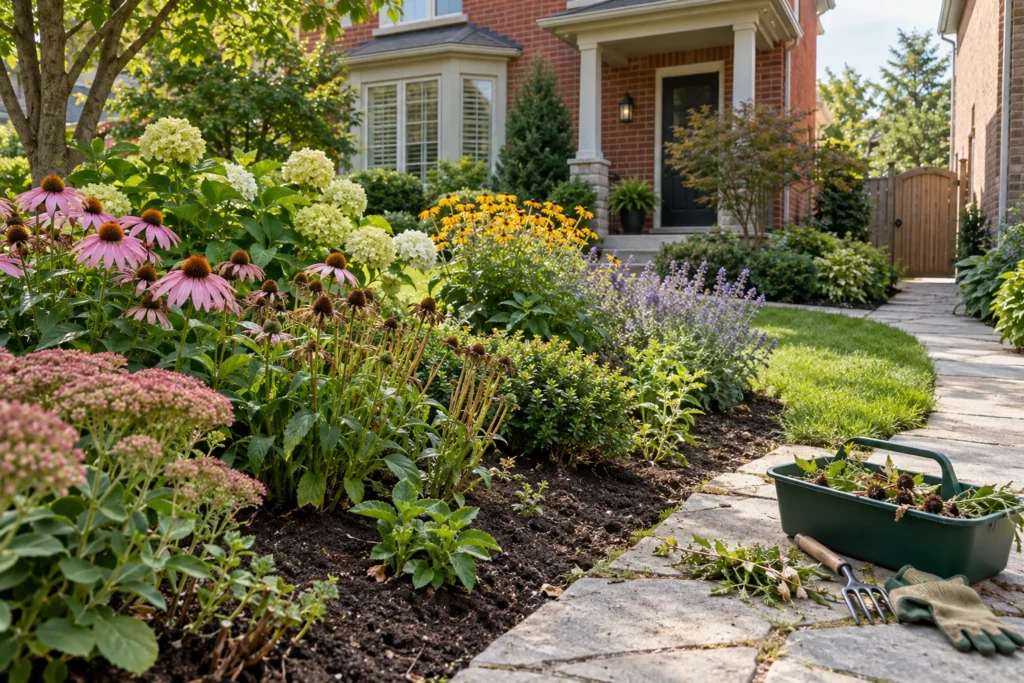
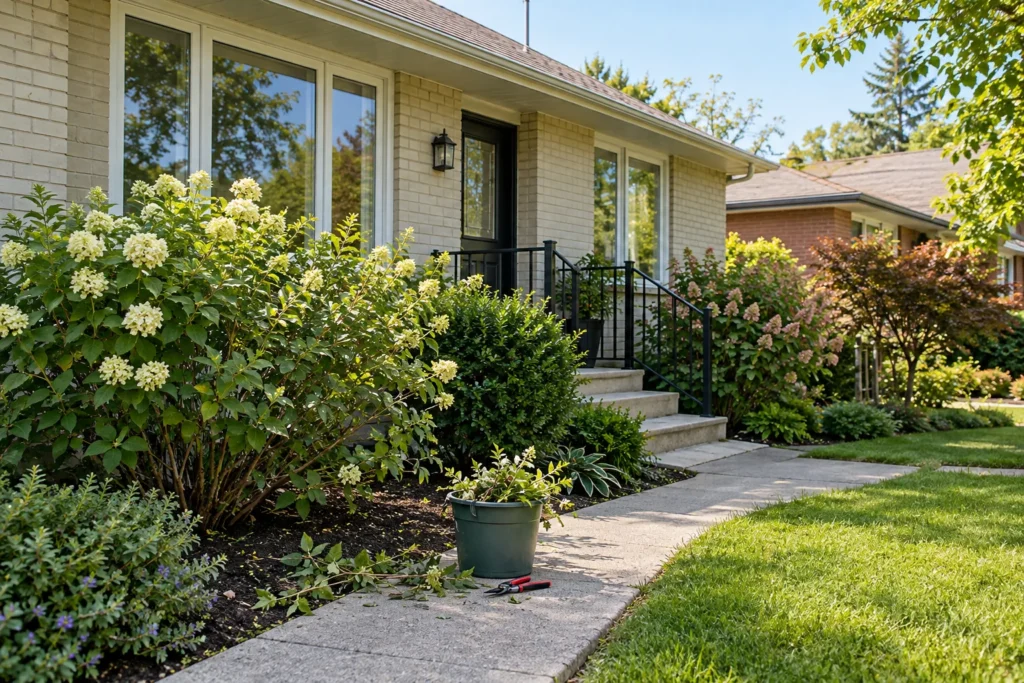
Name the care tasks so the scope is clear
| Task | What to clarify |
|---|---|
| Weeding | Which beds are included, how persistent unwanted growth will be addressed, and what planting must be protected. |
| Pruning | Which shrubs or hedge sections are involved and the intended form, with plant-appropriate methods and timing. |
| Edging | The lawn-to-bed and path-to-bed boundaries that need definition or repair. |
| Debris | Leaves, fallen twigs and spent material to remove, balanced with any agreed material to retain. |
| Mulch | Whether the work includes tidying the existing finish, assessing depth or separately supplying new material. |
| Seasonal work | The specific spring, summer or autumn tasks needed rather than an assumed all-season package. |
Pruning should follow the plant and the purpose
A shrub may be maintained for a natural shape, flowers, a controlled hedge or clearance beside a path. Those aims can require different decisions. Cutting every plant to the same outline can remove useful structure or affect flowering. Identify the plant and the desired result before selecting how and when to prune.
Routine garden pruning also has limits. A high tree canopy, major limb, suspected structural defect or uncertain tree-health issue may need qualified tree advice and a separate scope. Garden maintenance should not be treated as an implied arborist service. Show the whole plant in the enquiry rather than only the branch you want removed.
Crowding is not always a pruning problem. A shrub that has outgrown a narrow bed may need a layout or replacement discussion rather than repeated hard cutting. Where the planting arrangement no longer fits, garden design can address the underlying space. Maintenance can then support an arrangement that is suited to its location.
Care for the bed surface without burying the planting
Regular weeding is easier when plants and bed edges remain visible. Inspect around stems, behind broad leaves and beside hardscape where unwanted growth can hide. Discuss how material will be removed and how inaccessible sections will be reached. A broad border packed against a fence may need a practical access route before it can be maintained well.
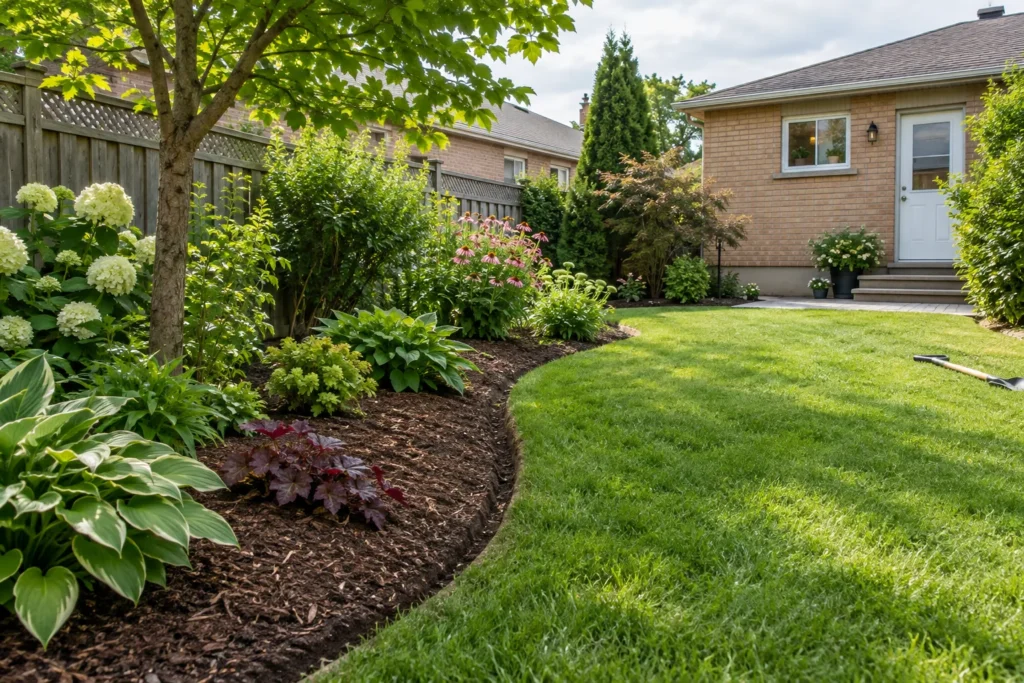
Mulch should be assessed before more is added. It may have moved, broken down or accumulated around crowns and trunks. Tidying the existing layer can be a different job from supplying a new finish. Mulch and decorative stone work should be stated separately when the enquiry includes a substantial refresh or material change.
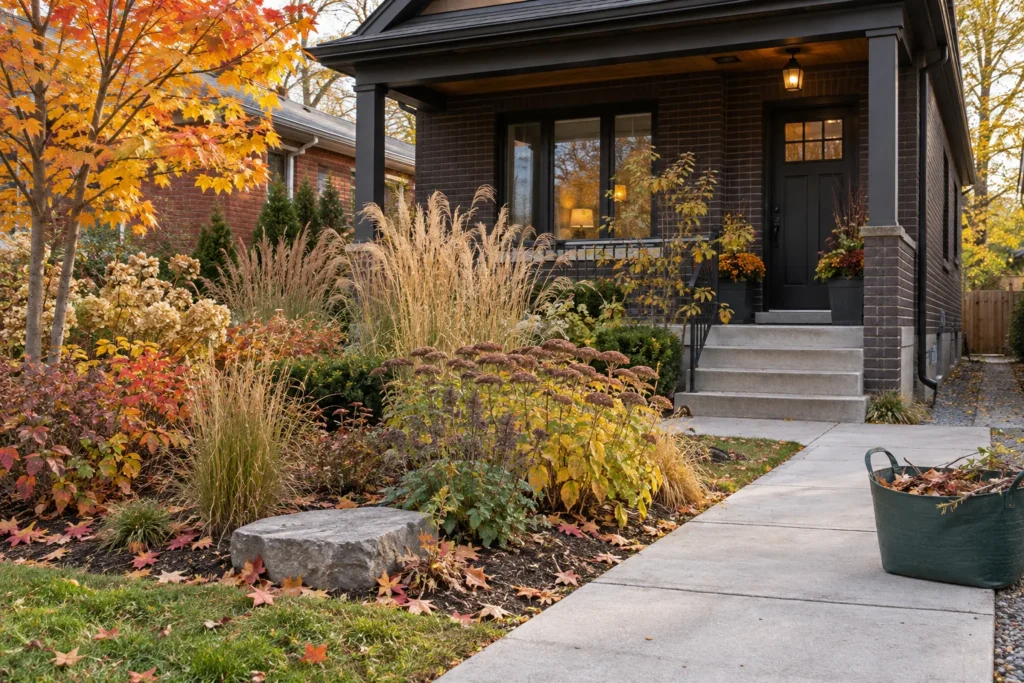
Debris management needs judgement. Fallen leaves and spent growth do not have identical roles in every garden, and a path or drain may need clearing while another area is deliberately left with some seasonal material. Agree on the desired balance rather than assuming a completely bare bed is always the goal. Keep water routes and access points clear in either approach.
Create a garden-care arrangement that can be reviewed
Show the beds and the starting condition
Provide wide photos, close views of problem areas and any plant list you have. Mark the included gardens and identify special plants, private irrigation or hidden lighting that needs care around it.
Set priorities and boundaries
Describe the appearance you want and the tasks that matter most. Separate weeding, pruning, edging, debris and finish work. Identify whether an initial restoration is needed before a recurring maintenance arrangement makes sense.
Match seasonal work to the garden
Discuss plant-appropriate timing and the conditions of the beds. Spring yard cleanup and fall yard cleanup can coordinate broader property tasks, while garden care remains specific to the planted areas.
Review changes rather than hiding them
Record persistent weeds, declining plants, broken edges or recurring wet areas. Those observations can reveal a separate repair or planting need. Confirm proposed additions and scope changes instead of allowing recurring visits to become an undefined list of extra work.
Observation helps identify when ordinary care is not enough
A maintenance visit can reveal changed leaf colour, damaged stems, unusual loss of foliage or a plant repeatedly sitting in water. Those observations are useful information, but they do not establish a diagnosis or guarantee recovery. Explain what has changed, when it began and whether watering or nearby construction also changed.
Persistent problems may call for a different response. A shaded bed that stays wet may need a water-path assessment; a hedge repeatedly blocking a gate may need a layout revision. Garden care should make these conditions visible rather than repeatedly trimming or covering them. Discuss the appropriate next step when a task reaches beyond the agreed maintenance work.
Make plant information part of the handover
A short plant list or marked photograph can make maintenance more consistent. Identify plants installed recently, material you want left to mature and any previous pruning response that concerns you. If the species is uncertain, say so rather than assigning a care instruction based only on appearance. Appropriate identification helps establish which work belongs in the visit.
Also explain what the household will handle between visits. You may want help only with weeding and selected pruning while taking responsibility for watering and light tidying. Another garden may need a broader recurring scope. Recording that division reduces missed tasks and avoids assuming that a plant is receiving care from someone else.
Keep proposed additions separate from routine upkeep until they are agreed. Replacing a shrub, extending a bed or changing its finish can affect quantities, access and the future maintenance load. A useful care arrangement makes those decisions visible and allows the garden to develop deliberately instead of through an unrecorded series of small changes.
Garden maintenance questions
Can I arrange a one-time garden cleanup?
A targeted cleanup can be discussed separately from recurring care. Show the current condition and identify weeds, debris, overgrowth or edge work you want addressed. A heavily overgrown bed may need an initial scope that differs from future visits, especially where plants are difficult to identify or access.
Does garden maintenance include lawn mowing?
Do not assume it does. Planted beds and turf have different tasks and service areas. If both are required, identify them together so the arrangement can state what happens in each area. The same applies to broader property cleanup, leaf removal and supplying new mulch or plants.
Will every shrub be cut back during a visit?
Pruning should follow the species, condition and desired form. Some plants may not need cutting at that visit, and inappropriate timing or severe cutting can conflict with flowering or future structure. Discuss the specific plants and appearance rather than expecting every shrub to receive the same treatment.
Can routine maintenance remove a tree or assess a dangerous limb?
Tree removal, major limb work and specialist tree assessment are not assumed in a garden-care scope. Point out the concern so the appropriate qualified service and any relevant tree requirements can be considered. Routine bed care should not be used as a substitute for that assessment.
How often should garden maintenance take place?
The useful arrangement depends on planting density, weed pressure, desired finish, season and what the household will do between visits. There is no promised schedule attached to this page. Describe your expectations and review the proposed tasks and frequency together so the agreement matches the actual gardens.
Garden Maintenance Gallery
Tell us which beds need care and what a good result looks like
Show the current condition and identify the tasks you want help with. Distinguish an initial reset from recurring care, and include any valued planting or access limits.
- Burlington address and included garden beds
- Current weeds, pruning, edge and debris concerns
- One-time work or recurring-care preference
- Plant information, access and material-refresh needs
Tell us what you would like to change, repair or maintain around your property.