
Property enquiries · Project guidance
Contact Burlington Landscaping
Discuss a Burlington property, a planned improvement or a recurring care need. Share the address, priorities and clear photographs to begin.
Contact Burlington Landscaping
Use the contact options here to describe the property and the help you are looking for. For a detailed project enquiry, include the work area, the existing problem and your desired timing.
- Address and property type
- Service or project area
- What you want to change
- Wide photographs and an access view
Tell us what you would like to change, repair or maintain around your property.
Start with the property and the outcome
You do not need a final design or an exact product name before getting in touch. Explain what the outdoor area needs to do and what is preventing that now. A patio that feels crowded, a wet side yard, an uneven entrance and a lawn requiring regular care lead to different conversations. A clear description helps identify which part of the property needs attention first.
Include the Burlington address and the type of property: detached home, townhouse, shared residential site or commercial grounds. If you are enquiring on behalf of someone else, explain your role and who can authorize the work. Mention shared access, condominium requirements or other known restrictions without assuming that the necessary permission is already in place.
For an estimate request, the Request an Estimate page provides a dedicated starting point. For a broader question, use the contact options above and explain what you are trying to decide. An initial enquiry begins the discussion; the scope, availability and any next steps still need to be confirmed.
Send photographs that keep the area understandable
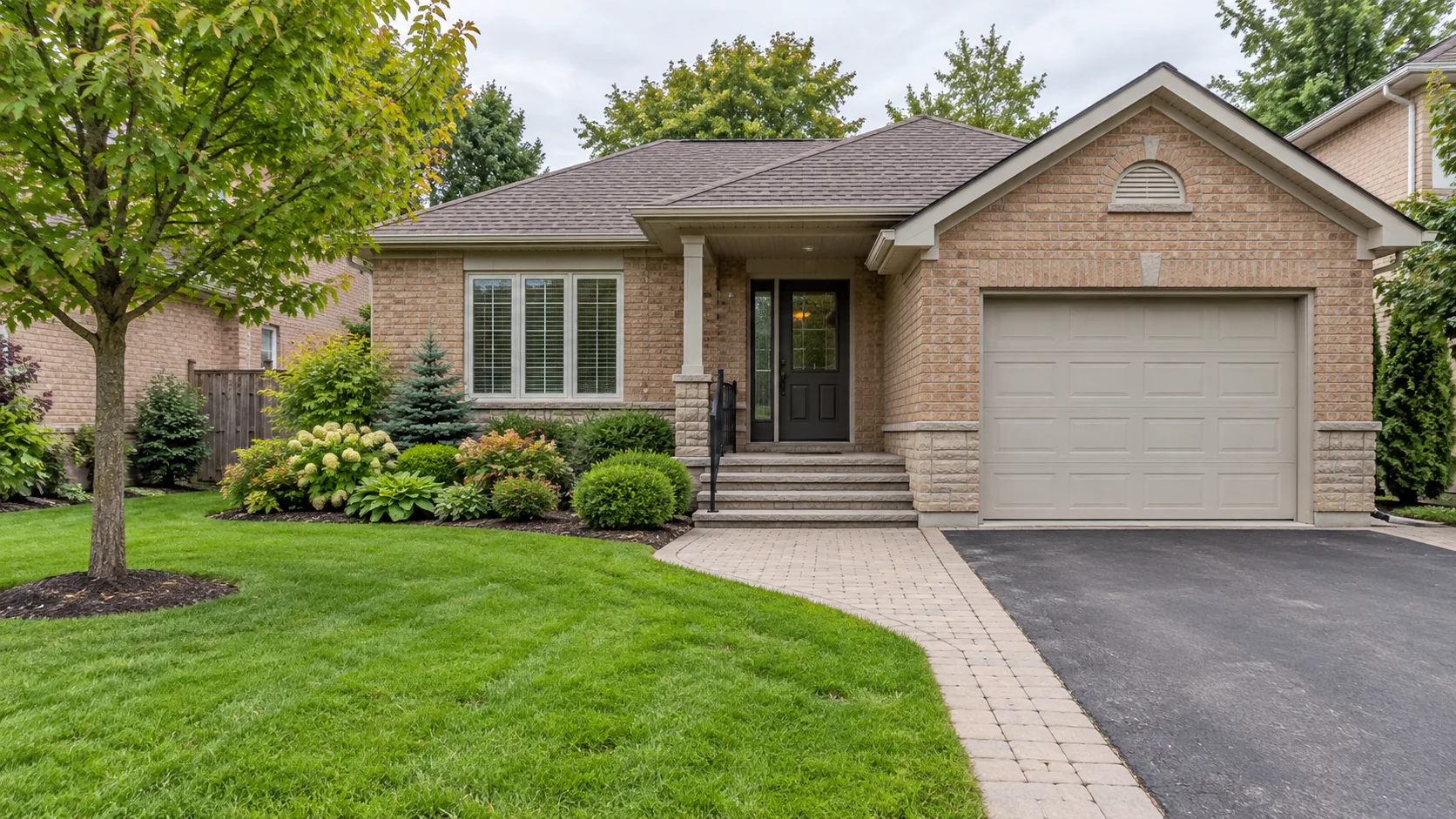
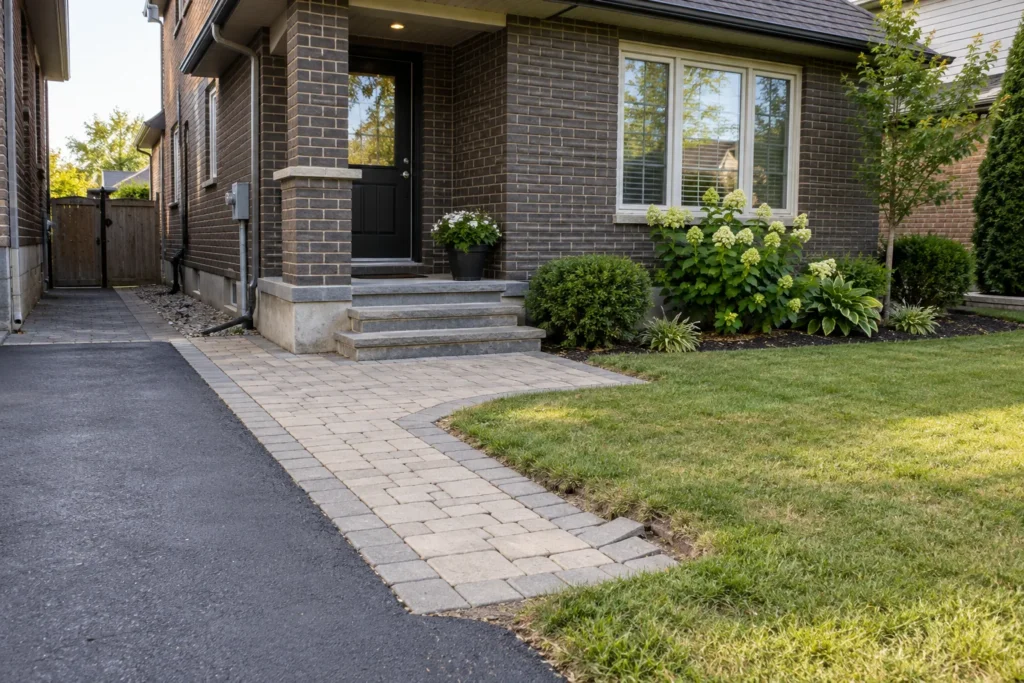
Begin with a wide view showing the work area in relation to the house, driveway or main entrance. Add a closer photograph of the issue and a view of the route into the area. A close detail alone can hide the nearby step, tree or boundary that affects the decision. For the backyard, include the side gate or other practical access where possible.
If the concern involves water, describe when it appears and how long it remains. Photographs taken safely after rain can add context, but do not enter deep water or an unstable area to get them. If the issue is an uneven surface, show both the local change and the connected doorway or route. Ordinary clear photographs are more useful than filters or decorative edits.
Avoid including unnecessary personal information, visible documents or identifiable people in the photographs. You can describe a concern without sending sensitive records. The estimate-photo article explains how a few purposeful views can make a property enquiry easier to understand.
What to include for different requests
| Your enquiry | Useful details |
|---|---|
| Construction or renovation | Area to change, desired use, existing issue, retained features, access constraints and any related work planned for the property. |
| Repair | Location and extent of the affected section, how it has changed, nearby surfaces or structures, and wide plus close photographs. |
| Property maintenance | Property type, included lawn and garden areas, tasks being considered, access and whether the request is recurring or a one-time visit. |
| Winter service | Address, requested drive or pedestrian areas, site obstacles and the areas being considered for storage. Service availability and terms require confirmation. |
Priorities help when the project is still taking shape
If you have several improvements in mind, separate the essential problem from the features you would like to explore. Perhaps the entrance needs attention now while the backyard can be planned later. Mention any preferred timing, but also explain whether it is tied to another project or a practical need. Exact scheduling cannot be established from a general website description.
Optional rough dimensions and an investment range can help frame the discussion, provided they are clearly described as preliminary. Do not guess a property boundary, concealed service location or required approval to complete an enquiry. It is better to identify an unknown than to build the next decision on an unreliable measurement.
Keep a copy of the information you send and note any later change in the requested area or priorities. If you are following up on an existing discussion, provide enough context to connect it with the right property. A concise written description of a new condition or changed decision helps keep the scope understandable.
Before you send the enquiry
Can I ask about availability before preparing a full project brief?
Yes. Give the address, property type and a short description of the requested work. Those basics are more useful than a message asking only for a price. The Burlington service-area page explains the property context; availability and the next step need to be confirmed for the actual request.
Should I send every photograph I have?
A small purposeful set is a better starting point. Use a wide property view, the main issue and the access route, then explain what each view shows if it is unclear. Additional photographs or information can be requested where they would help answer a specific question.
Can photographs replace a site assessment?
Photographs help explain a request but do not establish all levels, boundaries, underground conditions or approvals. Some decisions require measurements, site review or other information before the scope can be confirmed. Tell us what is known and what is uncertain so the discussion can proceed on a clear basis.