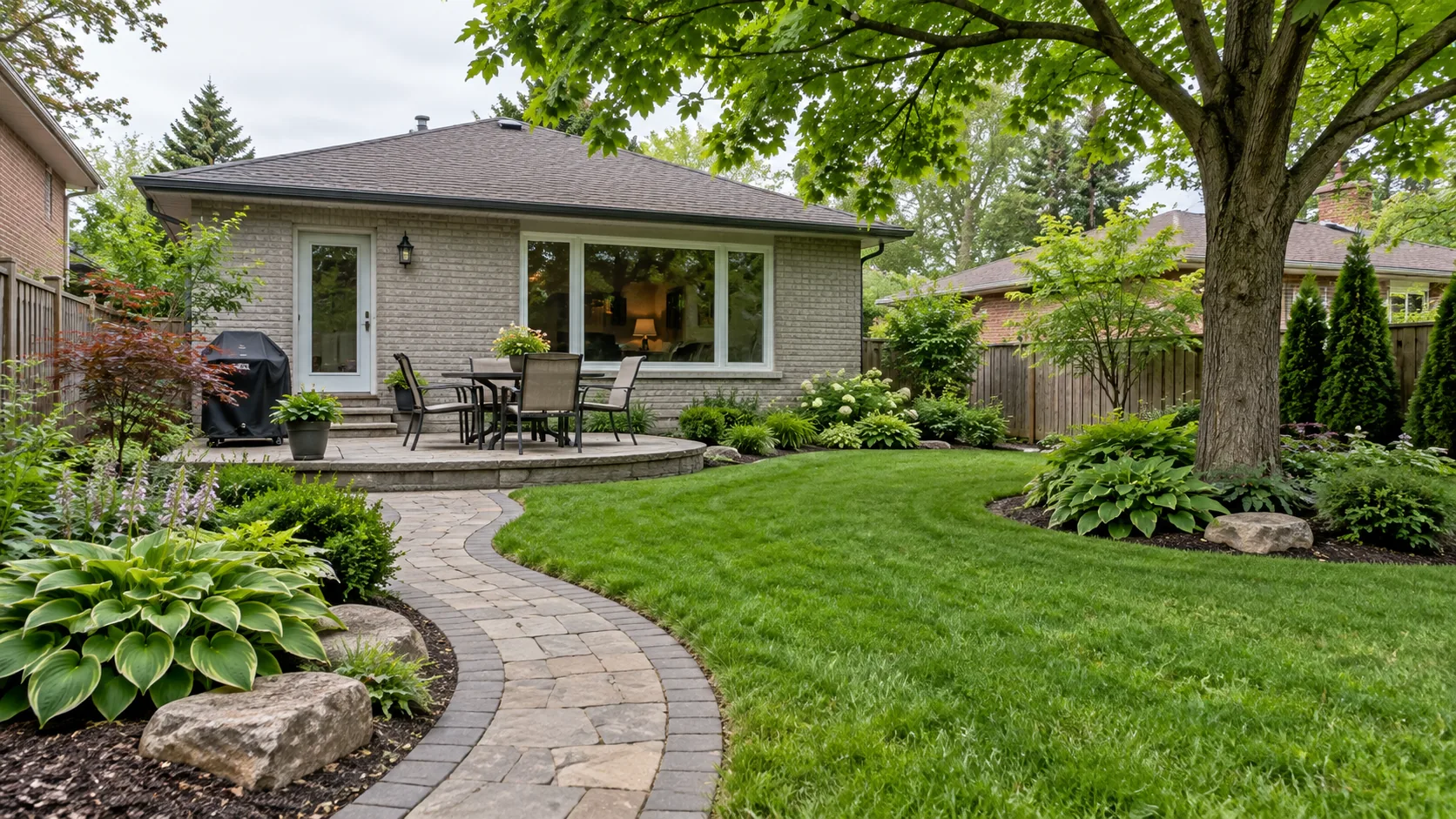
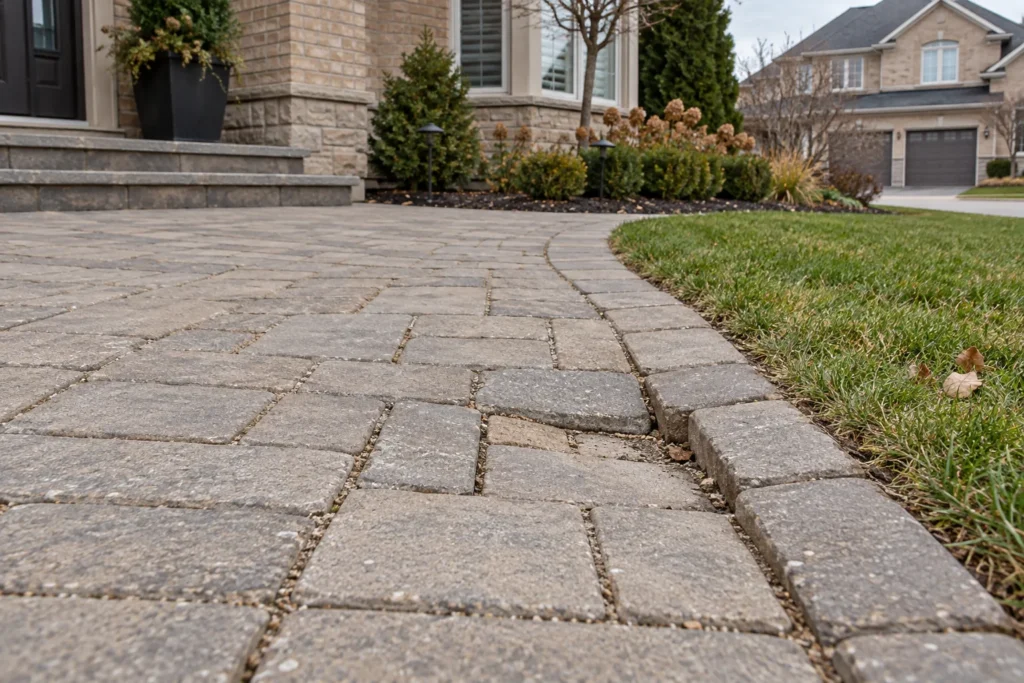
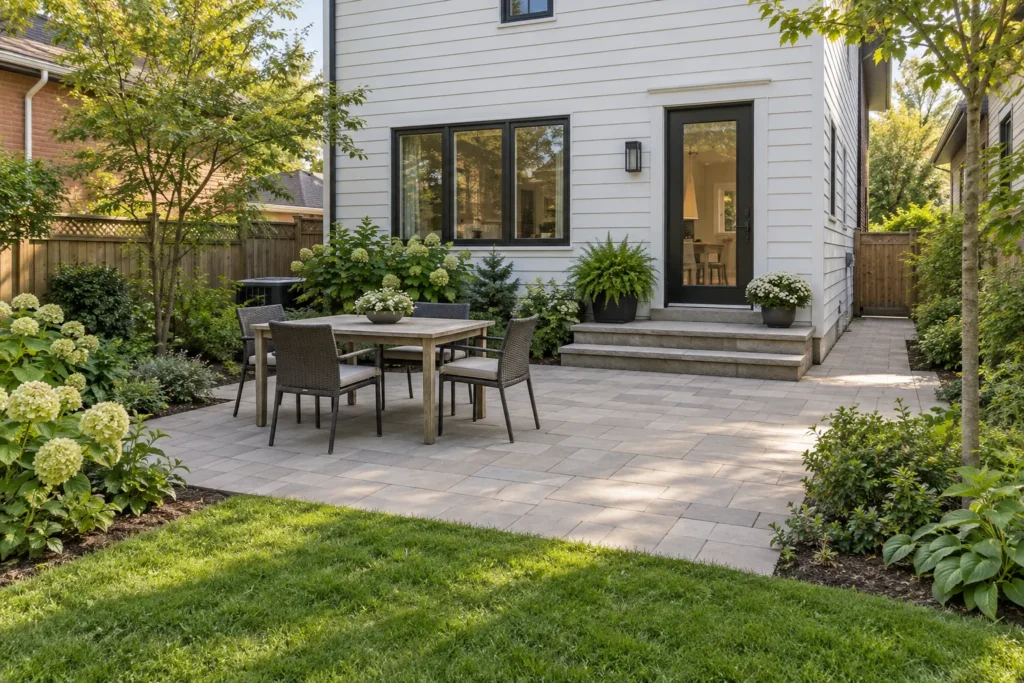
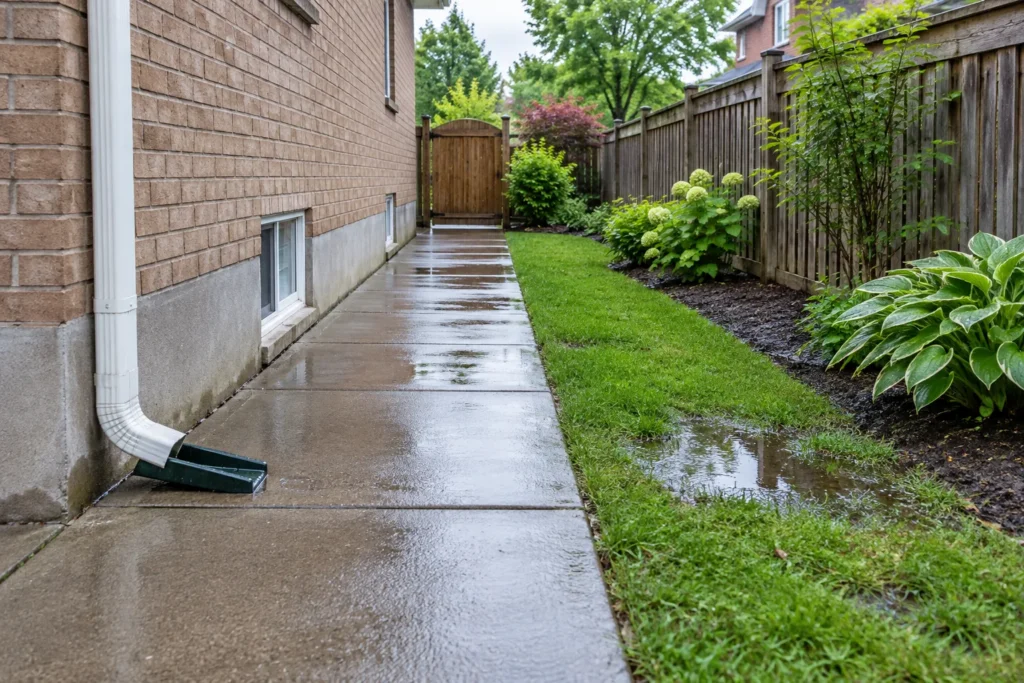
A low corner in a walkway, a soggy strip beside the house or a patio chair blocking the back door can be a useful starting point. You do not need to name the construction method before understanding the problem. These articles take one everyday property question at a time and explain what to observe, what information is missing and which next conversation may help.
The collection is intended for owners making a focused decision. Perhaps most of the yard works well and one section needs attention. Perhaps you are gathering photographs before requesting an estimate, or checking how two planned projects could affect each other. Read the article closest to that situation, then compare its observations with the property itself. A photograph or symptom can suggest questions; it cannot establish underground conditions, property boundaries or an approved design.
Use the category filters to narrow the collection by subject. An article about settling pavers answers a different question from one about dining-patio space. Both may help you prepare, but neither needs to become a complete renovation plan. The aim is to make the next step clearer rather than turn every small concern into a large project.
Notice the condition before selecting the finish
Interlock can look tired because of surface wear, a local depression, an unstable edge or a larger movement problem. Those are different starting points. Note where the change occurs, whether nearby doors and steps still work, and what happens after rainfall. Keep a wide view as well as a close detail so the location remains understandable.
Outdoor living questions often begin with use rather than damage. A table may fit on a patio while leaving too little room to pull back a chair or carry food past it. Thinking through these ordinary movements can be more useful than comparing paving colours. The article collection includes focused ways to assess space, preparation and the relationship between neighbouring features.
Turn a useful observation into a better question
Read for the information that would change a decision. Does the problem affect the whole yard or one route? Is the concern seasonal? Is a new fence likely to close the only practical construction access? Make a short note of the points that apply and leave unrelated suggestions aside. A clear description gives a property discussion more direction than a long list of possible products.
Keep the limits of each article in mind. A small puddle alone does not explain where water originated, and a wall photograph does not establish its structural role. Narrow questions are valuable because they help identify what to examine next. When the issue involves levels, trees, utilities, property limits or approvals, confirm the conditions before acting on a general example.
Consider the property in different weather
A summer view can hide an awkward winter route. A dry afternoon can hide the path water follows during rain. Where it is practical and safe, gather observations from more than one condition. Describe how long wetness remains, which entrance becomes difficult to use or where snow is normally placed. Do not stand in a hazardous area to obtain a photograph.
Winter storage and summer planting also share space. A bed beside the driveway, a low light fixture or a narrow gate may change how the front yard can be used through the year. The articles help make these relationships visible before a detail is fixed in place. They are useful questions to bring into planning, not promises that a particular layout will suit every Burlington property.
Choose the right depth of reading
Stay with an article when the immediate question is narrow: what photographs to send, what to check before sod or how to think about chair circulation. Move to the planning guides when several decisions need to be coordinated. Guides cover the broader process of comparing options and preparing a coherent scope; service pages explain the work available for a particular part of the property.
For a project spanning access, grade, drainage, hardscape and planting, begin with landscaping and property planning. That wider view can help put the smaller question in context. You can return to the articles as individual choices arise. There is no need to read the entire collection before starting a conversation; a concise description and a few clear photographs are a useful beginning.
Category names are a way to find related reading, not a diagnosis of the property. The same symptom can have more than one cause, and two nearby areas can need different treatment. Keep notes on what you actually see, then use the reading to ask more precise questions. That is useful preparation even when the final scope turns out to be smaller than you first expected.
A useful estimate photo set explains the whole area, the specific problem and the route into the yard. A few organized views beat a large collection of close-ups.
Sunken pavers are a visible symptom of movement below or beside the surface. The pattern of settlement helps identify the next questions about support, water, loading and edges.
A wet backyard is a symptom to observe over time. Where water comes from, how it travels and what interrupts its route matter more than naming a drain at the start.
Patio size becomes clearer when you lay out real furniture, pull chairs back and walk the everyday routes. The useful footprint includes movement, not just the table.
Sod belongs near the end of a landscape project, after heavy access, fixed levels and concealed work are resolved. New grass cannot compensate for unfinished construction or an unresolved water route.
Identify the difference between a decorative border and a structure that supports higher ground. Look at retained soil, nearby loads, water and the consequences of movement.