
Residential Property Maintenance
Coordinate routine yard tasks around the household, access and agreed areas.
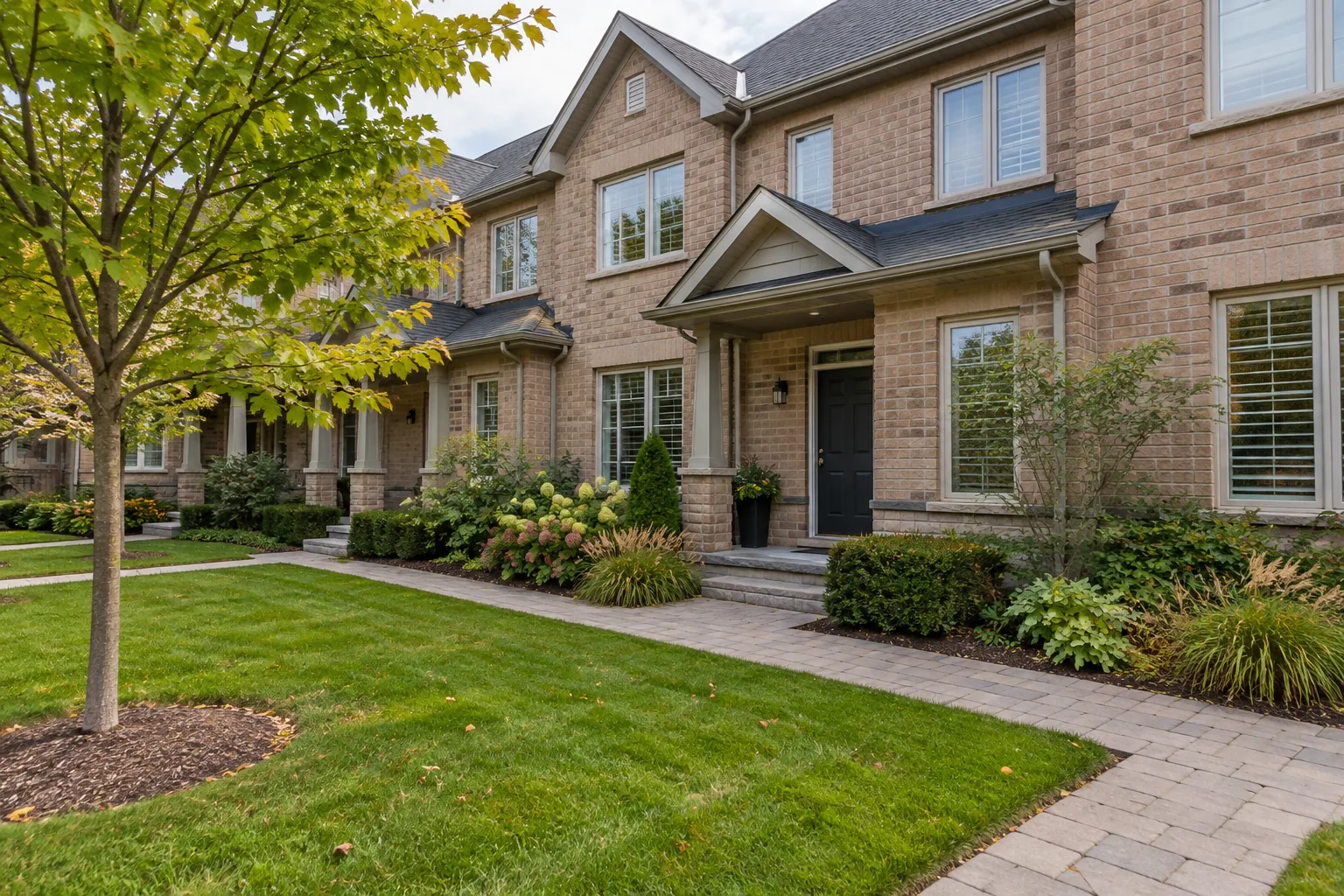
LAWNS · GARDENS · MANAGED GROUNDS
A useful maintenance plan defines the areas, tasks and access before choosing a schedule. Connect routine care, seasonal work and repairs around the property.
Property maintenance is the ongoing work that keeps a landscape usable and its needs visible. Lawns, planting beds, paths and entrances require different attention. A household may want help with mowing and seasonal garden care; a property manager may need defined zones, site contacts and a way to approve work beyond the routine scope. Those needs should be clear before service begins.
The right plan separates recurring tasks from one-time improvements. Mowing cannot solve a low lawn that repeatedly holds water, and pruning cannot correct every plant-position problem. Identify the underlying condition as well as the task. This hub connects residential care, commercial grounds work, cleanups and the project services that may be needed when maintenance reveals a larger issue.
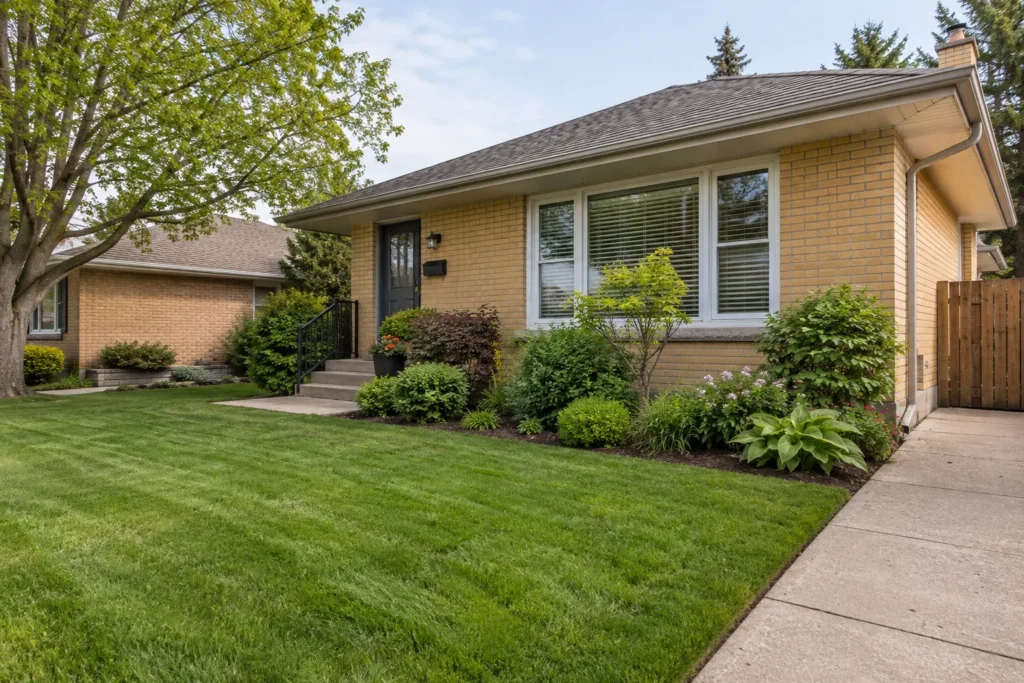
For lawn care, start with the area to be maintained and the way it is reached. A narrow side gate, steps, parked vehicles or a detached lawn area can affect access. Note edges beside paths and beds, obstacles to trim around and areas where debris should be collected. Confirm whether the agreed scope includes mowing, trimming, edging and cleanup rather than assuming every task is included in one visit.
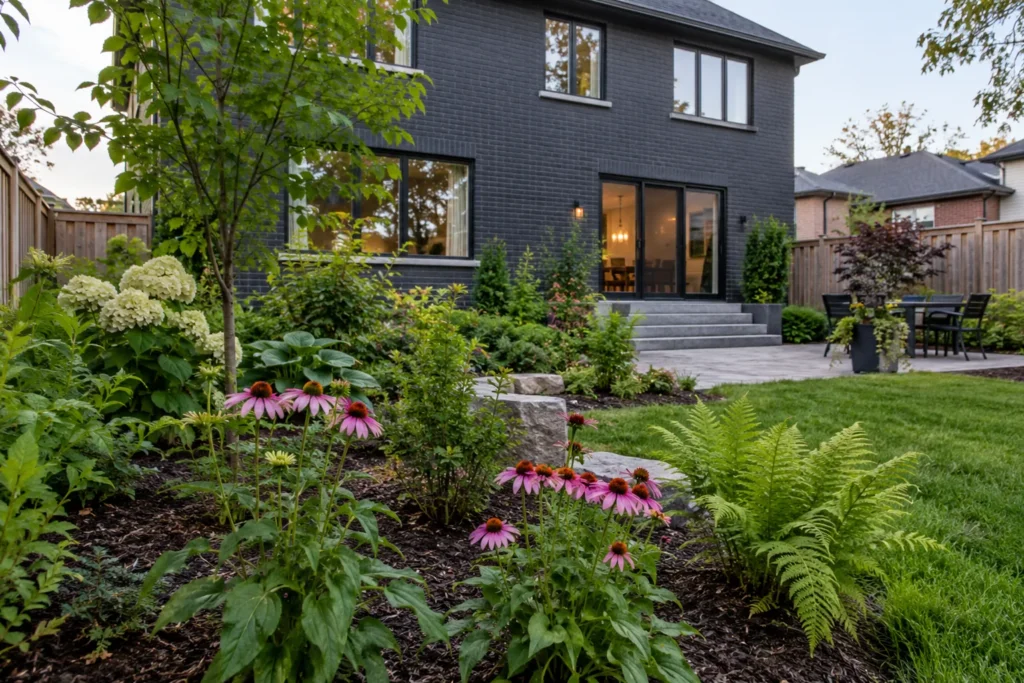
Garden maintenance has a different rhythm. Weeding, selective pruning, bed cleanup, edging and mulch care should suit the planting and season. Not every shrub should be cut back in the same way, and a garden should not be stripped simply to make it look empty. Observe crowding, damage and changing light as plants mature. Some issues call for a planting adjustment or a specialist rather than more frequent routine work.
The homeowner’s role also needs clarity. Establishment watering for new sod or planting, moving furniture, providing access and identifying pet areas can be important parts of the arrangement. Lawn Maintenance and Garden Maintenance can be planned separately or as parts of a broader property-care scope.
| Type of work | Typical focus | What to clarify |
|---|---|---|
| Routine care | Lawn and garden tasks for the agreed areas. | Included tasks, access, desired frequency and handling of debris. |
| Seasonal work | Spring or fall cleanup and preparation. | The property condition, selective plant care and separately required materials. |
| Landscape improvement | Replacing turf, refreshing beds or changing a surface. | Project scope, site constraints, materials and authorization. |
| Specialist issue | Structural, utility, tree-health or major water concerns. | Appropriate qualified assessment and a clear boundary to routine care. |
Spring begins with observation. Check winter debris, fallen branches, path edges, lawn damage and the condition of beds before choosing the work. Selective cutback and cleanup should suit the plants present. Debris around a surface outlet or along a water route can be worth noting, but routine cleanup is not a substitute for correcting a drainage defect.
Fall care is more than collecting leaves. Review entrances and gates, planned snow-storage areas, vulnerable edging and the places where water crosses a path. Decide what vegetation should remain for the season and what debris needs removal from usable lawn or access areas. A tidy yard does not require removing every standing plant.
Construction and seasonal maintenance should be coordinated. Newly installed sod, beds or hardscape may need an establishment and care plan different from the rest of the property. If another disruptive project is planned, avoid spending on a finish that will soon be removed. Spring Yard Cleanup and Fall Yard Cleanup address the different seasonal starting points.
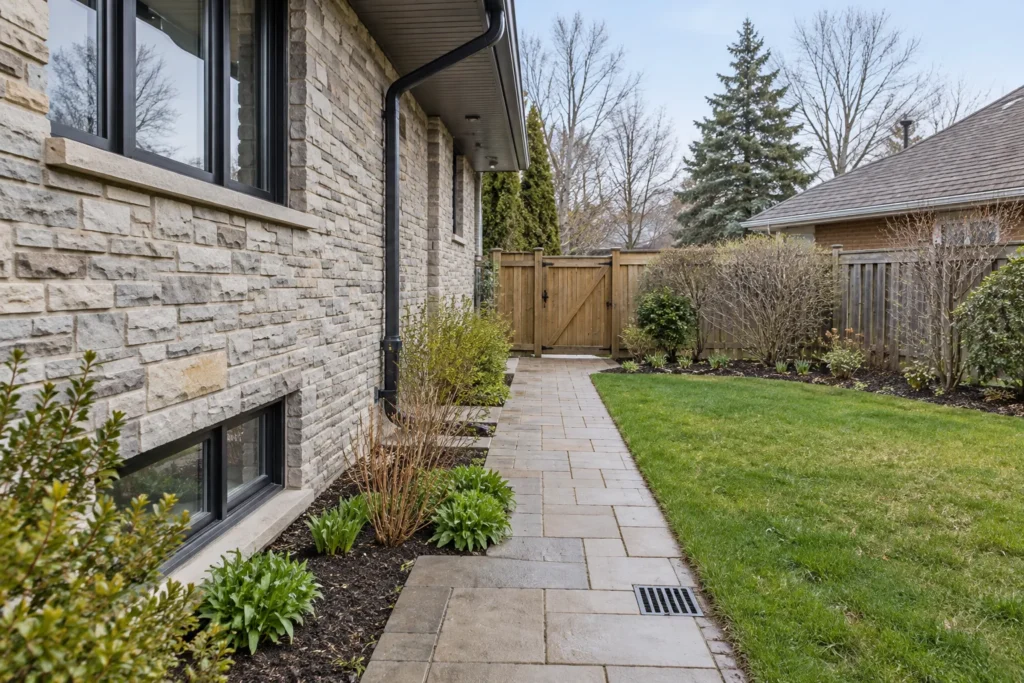
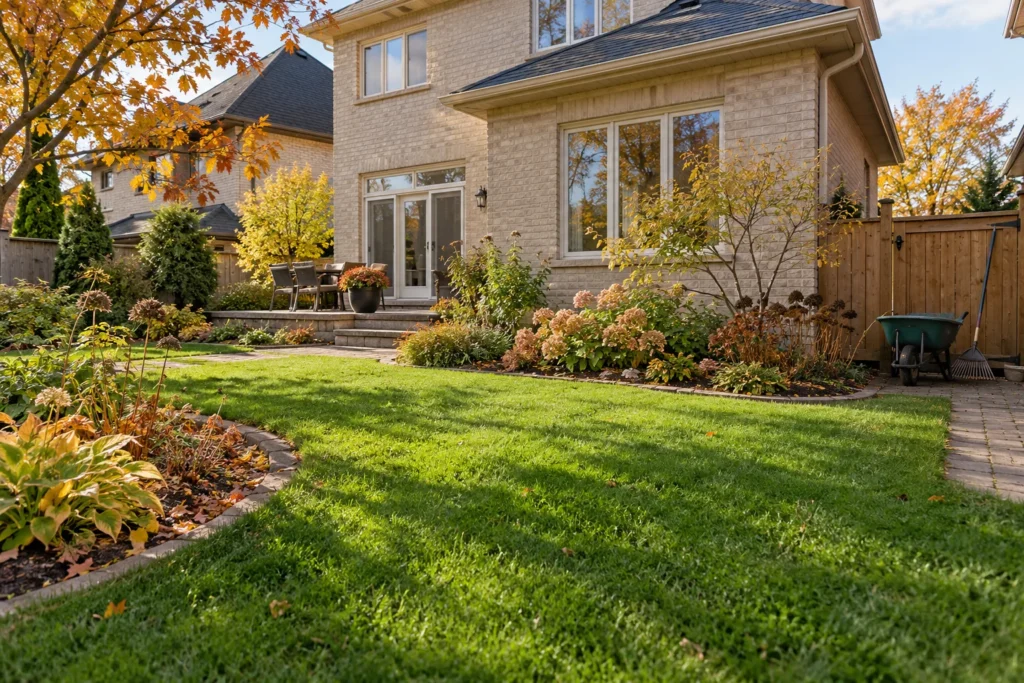
Walk the property and mark the areas included: lawns, beds, entrances, private paths, shared spaces and any exclusions. Identify gates, storage, utilities, delicate planting and areas that require a different method. This is useful for a single residence and especially important where several users share the grounds.
Agree on how a new issue is reported and who can authorize additional work. A loose paver, recurring wet area or damaged plant may be observed during care, but correction can involve a separate project. Keep photos and a clear description of the condition, location and effect. Landscape Drainage or Interlock Repair can then be considered on its own merits.
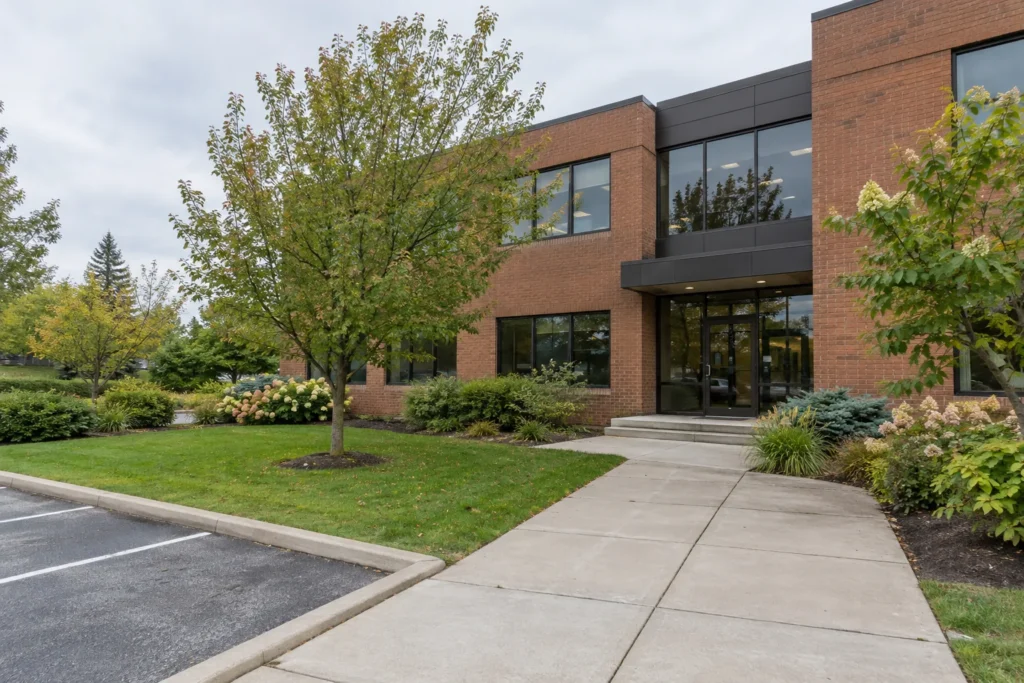
At an office, plaza or other commercial property, entrances, pedestrian routes and visibility can matter as much as the lawn. A plan should identify high-use areas, tenant or operating constraints and the contact responsible for access. Beds near a sign, parking edge or doorway may need different attention from an open lawn behind the building. A site map helps make those priorities visible.
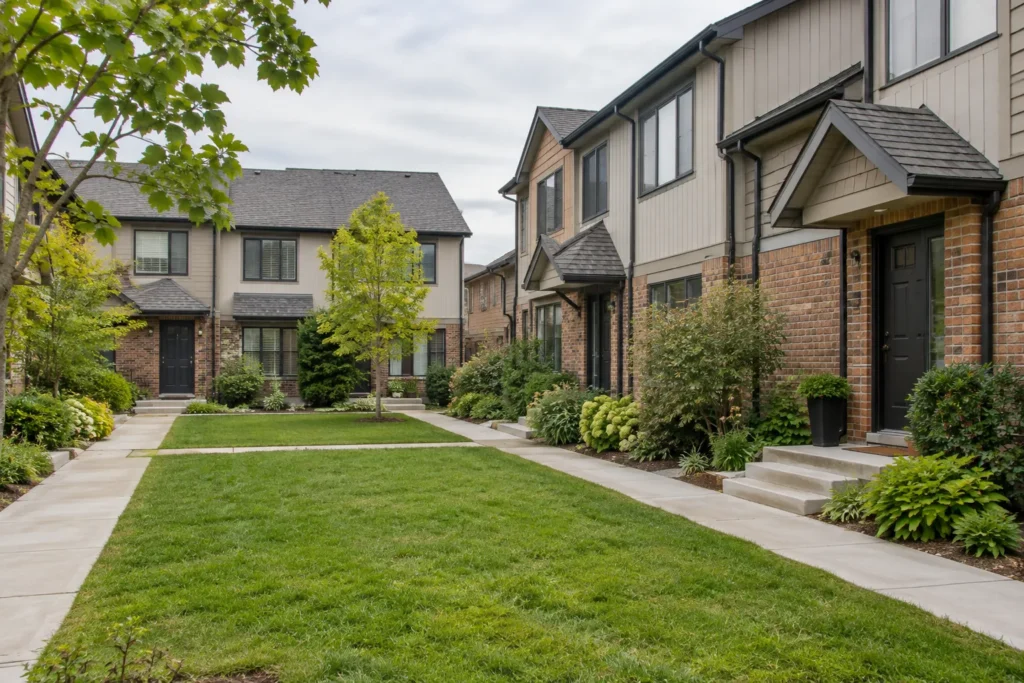
Condominium and multi-residential grounds add the distinction between common areas and individual spaces. Identify which lawns, gardens and walks belong in the contract, how residents’ belongings affect access and who approves an enhancement. A townhouse complex is not simply a larger private backyard; shared use and communication need to be accounted for.
Separate appearance improvements from routine care. A new entrance bed, replacement sod or repaired walkway is an enhancement project with its own scope. Commercial Landscape Enhancements can address those needs, while Landscaping for Property Managers focuses on coordination across managed sites. Condo & Multi-Residential Landscaping considers shared residential grounds.
A four-season plan considers where snow will be stored before the lawn and beds are redesigned. Keep entrance routes, gates and service access visible, and note surfaces where meltwater can refreeze. Fragile planting and edging beside a clearing route may need protection or a different placement. The fall review is a useful time to identify those conflicts.
Winter service is a separate scope. A residential driveway and private entrance have different requirements from a parking area, loading route or managed pedestrian network. Snow Removal provides separate residential and commercial paths. Trigger conditions, timing, return visits and ice-treatment arrangements should be confirmed in the agreement rather than inferred from the summer maintenance plan.
If the landscape itself makes maintenance difficult, consider a targeted change. A narrow grass strip, inaccessible bed or awkward mower route may benefit from a revised layout. Low-Maintenance Landscaping explores reducing particular tasks while keeping the property useful. No surface or planting scheme removes all seasonal care.
They can be coordinated, but define each task and area. Mowing, trimming, selective pruning, weeding and mulch work are different activities. Confirm what recurs and what is separately quoted for the property.
No universal schedule should be assumed. Discuss the desired frequency, property condition, season, access and how weather or extra work is handled. The agreed service terms determine the visit pattern.
Provide the address, a site map or marked photographs, included zones, priorities, current issues and desired service pattern. Identify the site contact, access restrictions and how changes or additional work are authorized.
Routine care may reveal the issue but does not necessarily correct it. Record when water appears and where it travels. The site may need a separate grading, drainage or soil assessment before lawn recovery work is useful.
Send the areas to be maintained, current condition and the tasks you want help with. For managed grounds, include site priorities and the contact who can confirm scope.
Tell us what you would like to change, repair or maintain around your property.