
Skip to content

Explore services

Request an Estimate
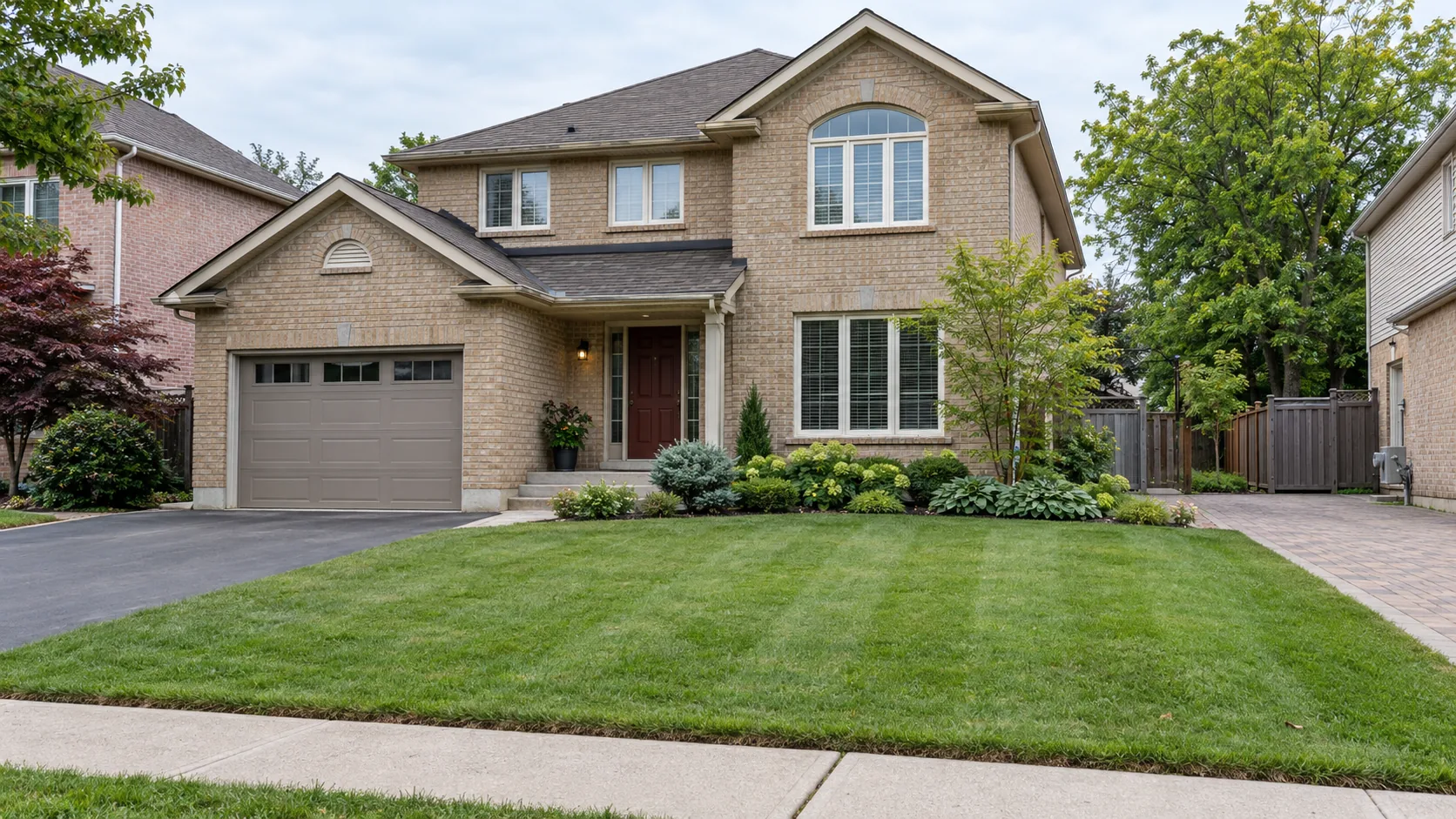
Maintained front lawn with neat edges outside a beige-brick detached house

Lawn Maintenance in Burlington

Lawn Maintenance

Keep the lawn usable and orderly with a recurring care scope that defines the grass areas, edges, access and work included at each visit.

A well-kept lawn depends on repeated attention to the whole mowing area, not simply a pass across the open centre. Fence lines, garden boundaries, trees, narrow side strips and adjoining pavement all affect the finished result. Clear scope helps the owner and service provider understand what is maintained and what needs separate attention.

Lawn maintenance in Burlington can include mowing, trimming, defined edging and clearing the affected hard surfaces, according to the agreed service. The right arrangement depends on grass growth, property use, access and the work requested. Visit frequency, seasonal dates and specific inclusions are confirmed for the property; they should not be assumed from a generic lawn-care label.

Define the recurring work before comparing service

Define the recurring work before comparing service
Work itemWhat to make clearRelated boundary
MowingWhich grass areas are included and any restricted sections.Long or overgrown restoration can be a separate initial scope.
TrimmingFence lines, obstacles and edges that need attention.Trimming should avoid damage to bark, fixtures and soft finishes.
EdgingThe beds and paved boundaries to maintain.Creating or rebuilding an edge differs from routine upkeep.
Surface cleanupWhich paths, patios and driveway portions are affected.Large leaf collection or debris removal may be separate work.
Lawn observationsHow concerns are communicated to the owner.Mowing does not automatically include renovation, diagnosis or treatment.

A practical route through the entire lawn

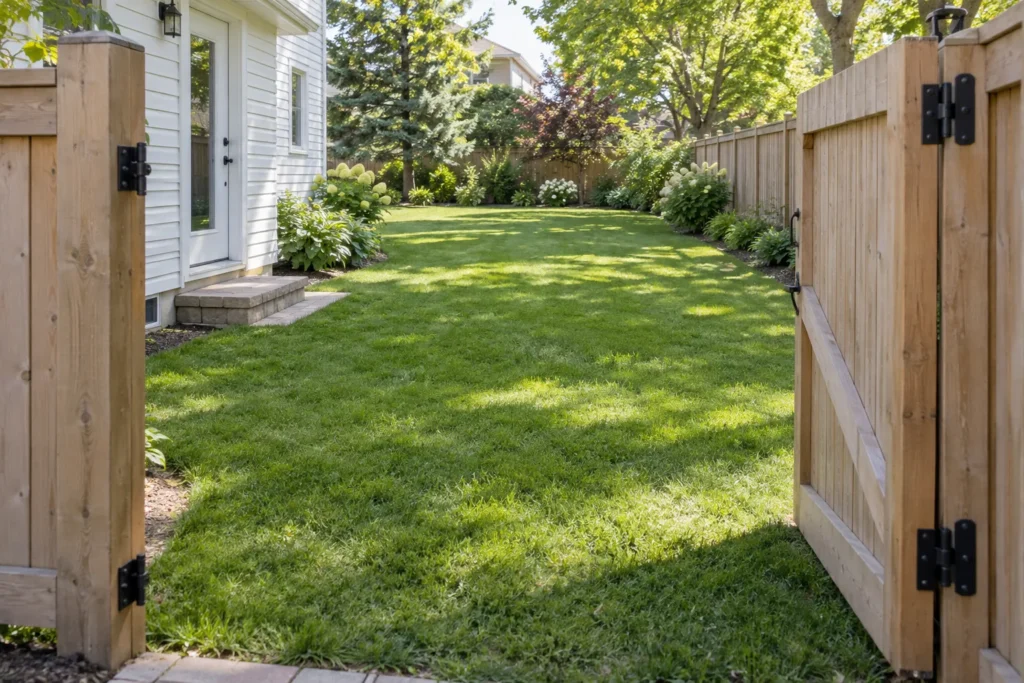
Show the front, side and rear grass areas together. Access width, gate latches, steps and changes in level influence how the lawn can be maintained. A strip beyond a locked gate or a small isolated area should be identified in advance. If several people control access, agree how the service provider can enter without relying on a last-minute arrangement each visit.

Prepare for visits by keeping toys, hoses, pet waste and movable items off the work area according to the agreed arrangement. These items slow the work and can create hazards. Tell us about low irrigation heads, exposed cables, shallow drains and objects hidden in the grass. Fixed obstacles should be visible and their location understood.

Trimming is useful around boundaries that a mower cannot reach, but repeated contact can damage young trunks, fence finishes and fixtures. Consider protective planting beds or a revised edge where access is awkward. The goal is a complete, tidy lawn area without making close cutting the answer to every obstruction.

Open timber gate leading to an accessible backyard lawn beside a white-sided house
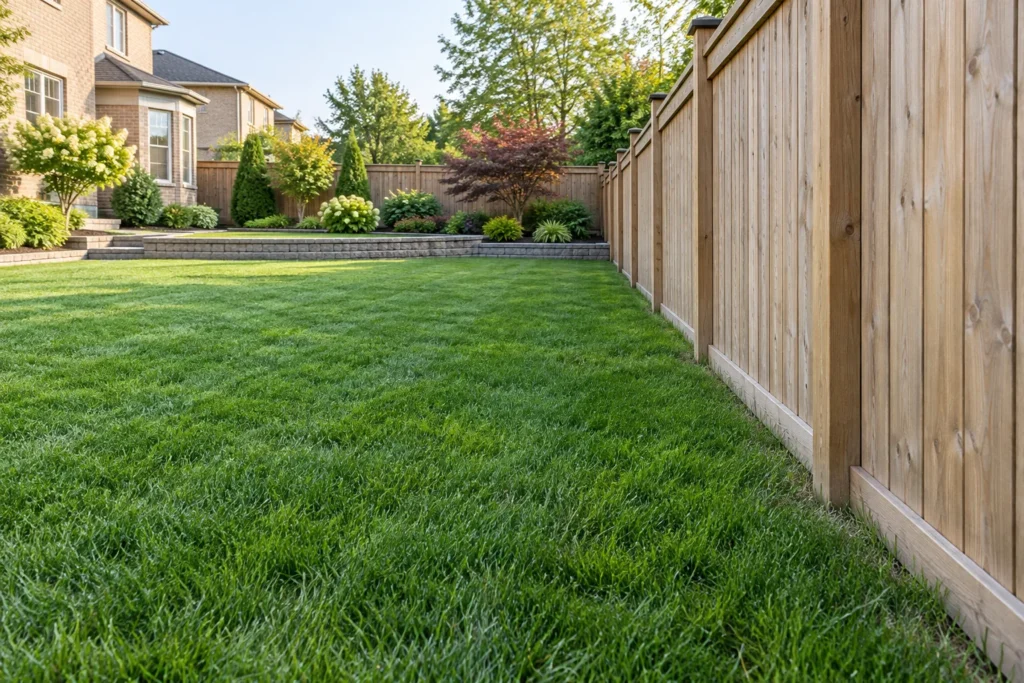
Neatly trimmed grass beside a timber fence and low terraced garden

Grass condition should guide the visit

A lawn is a growing surface exposed to weather, shade and traffic. A recurring service needs practical judgment about the condition on the day, alongside the agreed scope and communication arrangements.

Growth and cutting

Cutting too aggressively to make the interval last longer can stress the grass and leave an untidy result. Discuss the desired appearance and a suitable mowing approach. Growth changes during the season, so the same calendar gap does not always produce the same amount of grass.
Wet or soft ground

Working across saturated ground can leave ruts and compaction. Identify areas that stay soft and agree how unsuitable conditions are handled. A recurring wet patch may require a separate drainage assessment rather than repeated attempts to maintain it like the dry centre of the lawn.

Drought and heat stress

Dormant or stressed grass may not benefit from the same work as actively growing turf. Discuss irrigation responsibilities and changing conditions. Routine mowing is not a guarantee of summer colour, and no service frequency substitutes for suitable growing conditions.

Obstacles and household use

Play equipment, dog routes and parked items can change the workable area. Communicate changes before the visit. Temporary access restrictions should have a clear arrangement rather than leaving the provider to move personal property or guess what is permitted.

Set useful service arrangements without assuming a package

Start with the grass area and desired outcome, then discuss the frequency and season that fit the property and available service. Confirm how changes caused by weather, access or slower growth are communicated. A clear arrangement explains what happens when a visit cannot be completed and how additional work is authorized.

Do not assume that every lawn visit includes fertilizer, weed control, aeration, seed, irrigation repair or unlimited debris removal. Those are different tasks with their own suitability and scope. Where the lawn is thin, aeration and overseeding may be a separate improvement project. Where large areas have failed, sod installation begins with a preparation assessment.

If the goal extends beyond grass, residential property maintenance can coordinate broader yard care. Combining mowing with garden attention may be useful, but the areas, tasks and authorisation still need definition. A lawn-only enquiry should not quietly become a vague whole-property contract.

Edges and cleanup complete the visible result

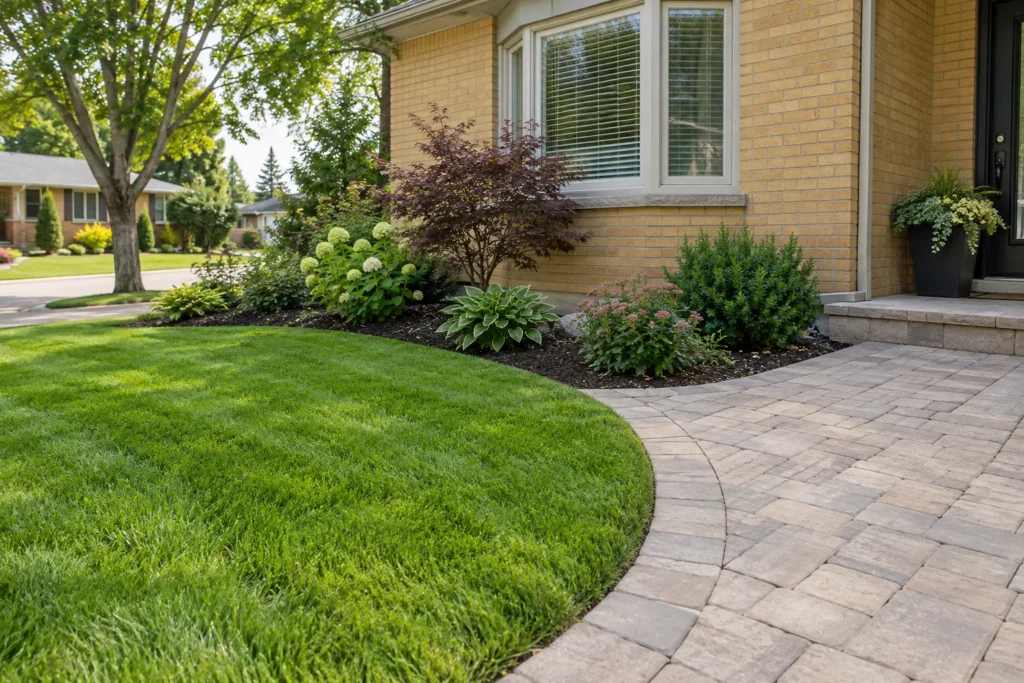
A defined boundary between lawn and planting makes the yard look orderly and helps contain grass growth. Agree whether the task is maintaining an existing edge or creating a new one. Exposed roots, loose stone and shallow edging may require adjustments to the method. A narrow grass strip that is consistently difficult to reach may be a layout issue worth changing.

Grass clippings on a path, patio or driveway should be addressed within the agreed cleanup scope. Keep material out of drains and off adjoining properties. How clippings are handled on the lawn depends on grass condition and the service arrangement; wet clumps and heavy cut material need a different response from a light, evenly dispersed cut.

Garden beds are not simply places to blow unwanted material. If the planting areas also need weeding, pruning or debris removal, identify that work under garden maintenance. Keeping lawn and garden responsibilities clear helps avoid a neat mowed centre beside neglected edges that no one has agreed to maintain.

Defined lawn edge beside a curved paver walk and planting bed at a yellow-brick house
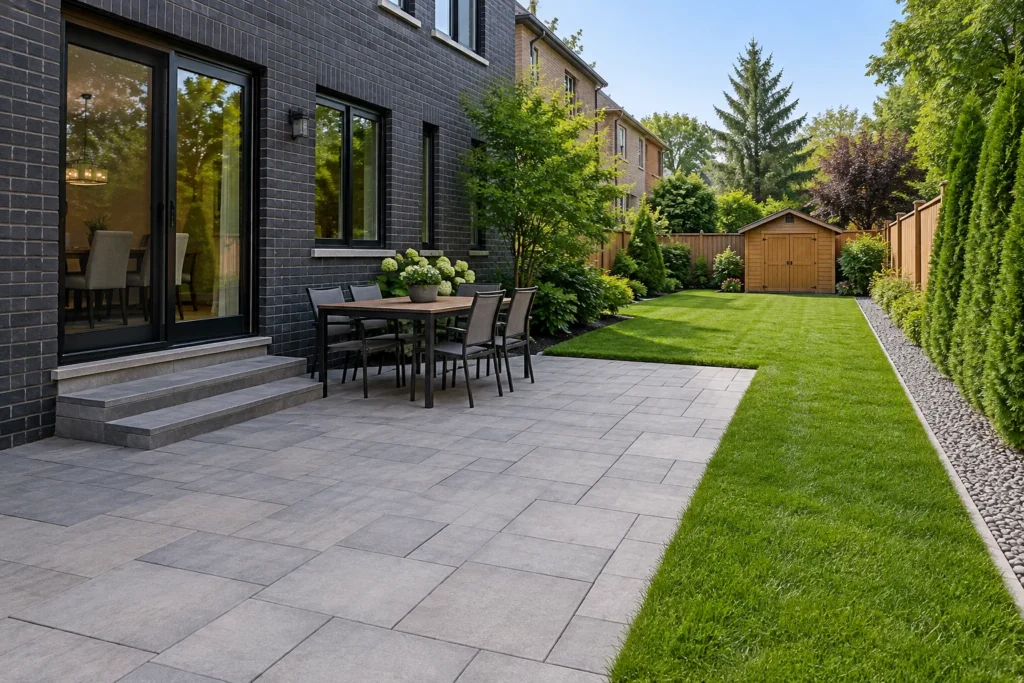
Clean paver patio beside a maintained lawn and narrow gravel drainage strip

Create a repeatable lawn-care scope

  1. Map the lawn and access

    Identify every included grass area, gate and obstacle. Record parking or access instructions, pet arrangements and known soft sections. Include side strips and boundary details so the estimate reflects the whole property rather than the largest visible rectangle.

  2. Agree the work and communication

    Confirm mowing, trimming, edging and cleanup inclusions, proposed frequency and how unsuitable conditions are handled. Set a clear route for reporting a changed access condition or requesting additional work. Clarify whether removal of unusual debris is included.

  3. Maintain and observe

    Complete the agreed work with attention to growing conditions and vulnerable edges. Communicate persistent thinning, rutting, exposed roots or water issues that affect serviceability. Observations can prompt a useful follow-up without implying that every visit includes a full lawn-renovation treatment.

  4. Review seasonal needs separately

    Assess whether spring debris, autumn leaves, renovation or bed work needs a different scope. Update the arrangement when the property layout changes. A new patio, fence or planting bed can alter access and the amount of grass that remains practical to maintain.

A recurring service does not replace the growing environment

Mowing can keep a lawn controlled, but it cannot add light beneath dense cover or prevent all wear along a dog run. Where an area repeatedly declines, consider the conditions instead of simply cutting it more often. Adjusting traffic, improving soil or changing a difficult patch to another use may be more productive.

Water management also remains a property issue. Hoses and irrigation should reach the intended areas without saturating low spots or leaving edges dry. Tell the provider about watering changes and known leaks. A lawn that is frequently too wet for maintenance needs a different conversation from a lawn that merely grows quickly.

Seasonal cleanup can support the recurring service. Spring yard cleanup can address accumulated debris before regular care, while fall yard cleanup deals with leaf volume and end-of-season areas beyond an ordinary mowing visit. Defining these tasks helps keep the recurring arrangement realistic.

Questions about recurring lawn maintenance

Is weekly mowing automatically included?

No fixed frequency should be assumed. The arrangement depends on the property, growth, service availability and agreed terms. Confirm the proposed schedule, season and approach to weather or access changes before recurring service begins.

Does lawn care include garden beds?

Only when the agreed scope includes them. Mowing and trimming do not automatically cover weeding, pruning or planting care. Identify the beds and tasks separately, or discuss a broader property-maintenance arrangement that defines both lawn and garden responsibilities.

What happens if the lawn is too wet to mow?

Confirm the provider’s approach as part of the service arrangement. Saturated ground can be damaged by traffic, and persistent soft spots may need assessment. Communication about conditions is more useful than assuming the same work can happen regardless of weather.

Can recurring mowing repair thin grass?

It can support a suitable care routine, but mowing alone does not correct every cause of thinning. Soil, shade, water and wear should be assessed. Aeration, overseeding, sod or a layout change may be separate options depending on the condition.

What information helps price the work?

Share photographs of all grass areas, approximate dimensions, gates and awkward edges. Describe the current condition, desired tasks, pet arrangements and any broader yard-care needs. An overgrown initial visit should be identified rather than treated as an ordinary maintenance cut.

Lawn Maintenance Gallery

Set up a clear lawn-maintenance enquiry

Show us the lawn areas and describe the recurring work you want. Include access and edge details so the proposed arrangement covers the property you actually use.

  • Front, side and rear lawn photographs
  • Gate access, obstacles and pet arrangements
  • Mowing, trimming, edging and cleanup needs
  • Current condition and desired service timing

Tell us what you would like to change, repair or maintain around your property.