
Lawn Areas
Define the lawns to be maintained, their edges and practical mowing access. Identify recurring bare or wet areas that may need a separate assessment instead of repeated cutting.
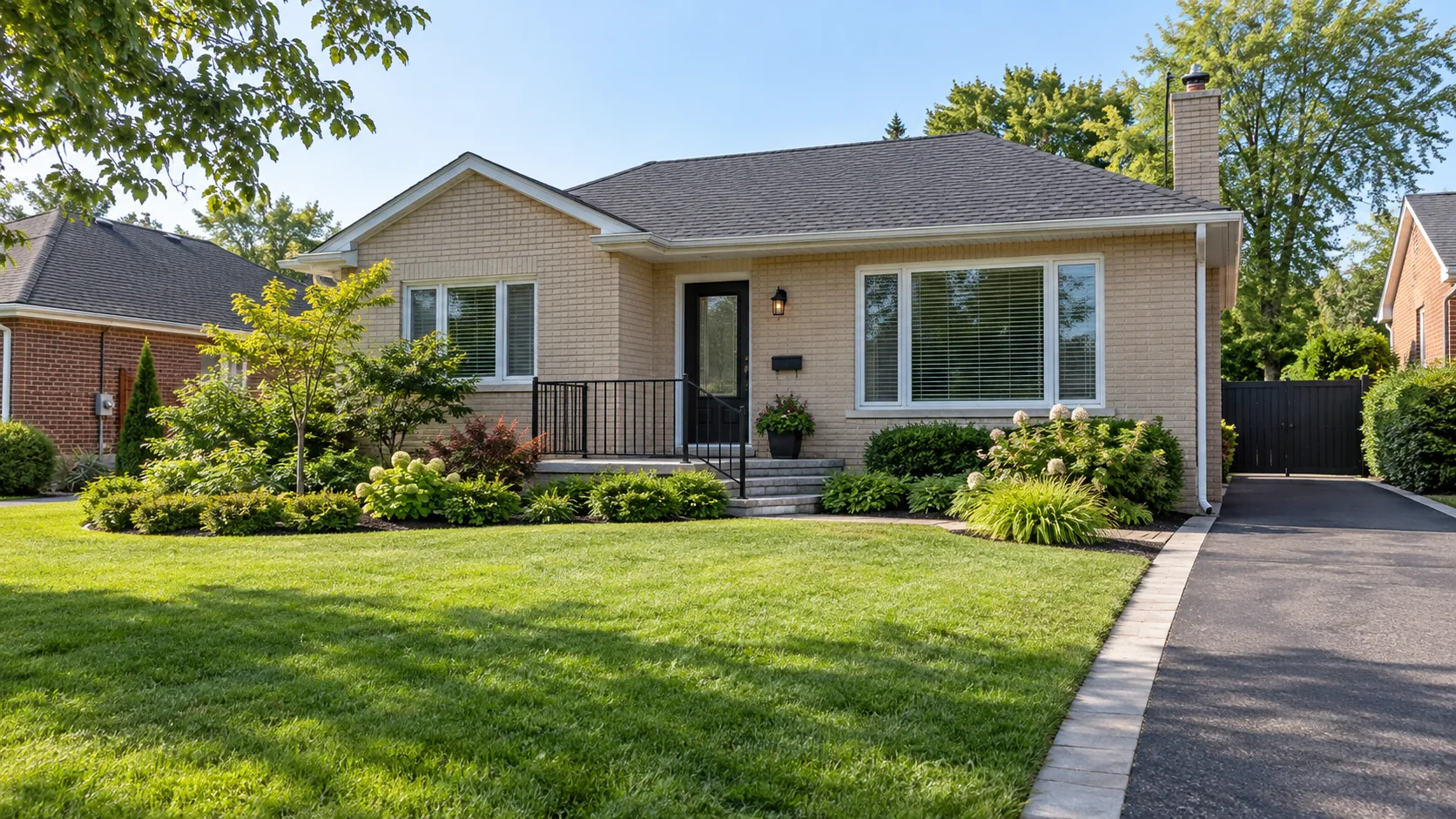
Site First. Finish Second.
Coordinate recurring lawn, garden and seasonal attention around the household. Define the areas, tasks and access arrangements so regular care supports the landscape you already have.
A maintained residential property needs more than a list of occasional jobs. Grass, gardens, edges and fallen debris change at different rates, while gates, parked vehicles and household activity affect access. A clear maintenance scope connects the recurring tasks and identifies seasonal or corrective work that needs separate agreement.
Define the lawns to be maintained, their edges and practical mowing access. Identify recurring bare or wet areas that may need a separate assessment instead of repeated cutting.
Identify beds, desired plants and the level of weeding, edging and selective pruning being requested. Note plants that should remain and any areas the household will care for.
Arrange larger cleanup tasks around accumulated leaves, winter debris and garden preparation. State whether these visits are part of the recurring arrangement or separately quoted.
Plan private winter routes independently of growing-season tasks. Driveways, entrance steps, paths, windrows and ice treatment need their own agreed coverage and terms.
Walk through the property and mark the maintained areas. Include grass behind the shed, the side-yard strip and beds beside the driveway if they are intended to receive care. Identify slopes, tight corners, garden structures and gates that affect how work can be carried out. A street-facing photograph rarely explains the whole scope.
Separate owner-maintained areas from requested work. A vegetable patch, recently planted bed or habitat corner may be intentionally left alone, while a neighbouring bed needs closer attention. Clear instructions avoid treating a deliberately retained plant as a weed or cutting growth the household wanted to keep. Update those instructions when the garden changes.
Access arrangements should fit normal household life. Discuss gate operation, pets, furniture, toys, parked vehicles and other items that can prevent work. Identify where green material is to go and how material removal is treated in the estimate. Do not assume that every visit includes moving large personal items or entering a locked storage area.
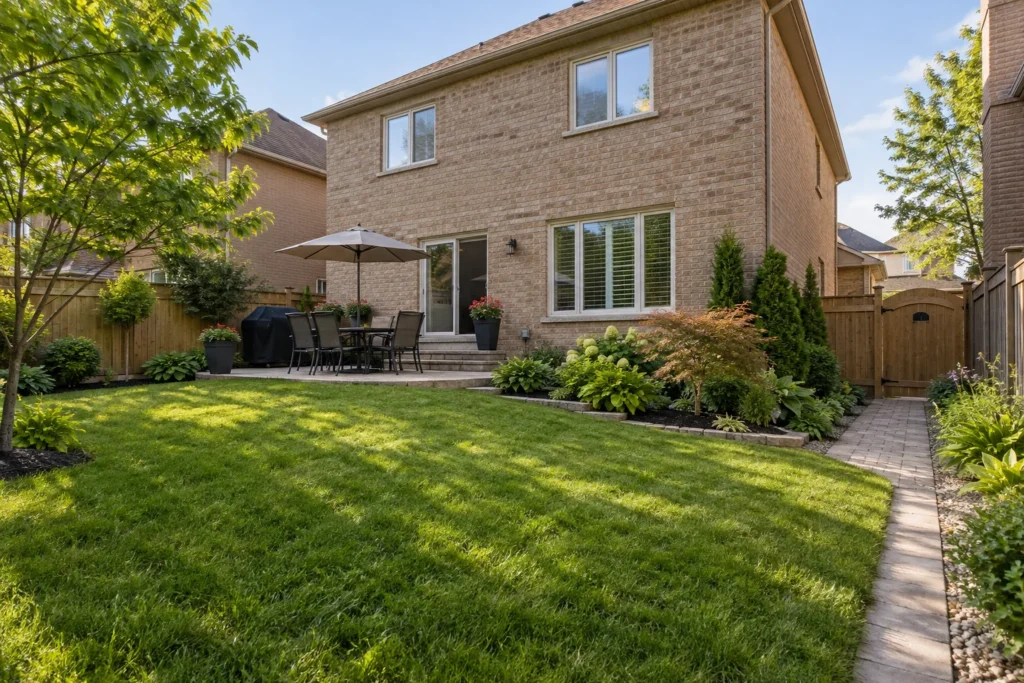
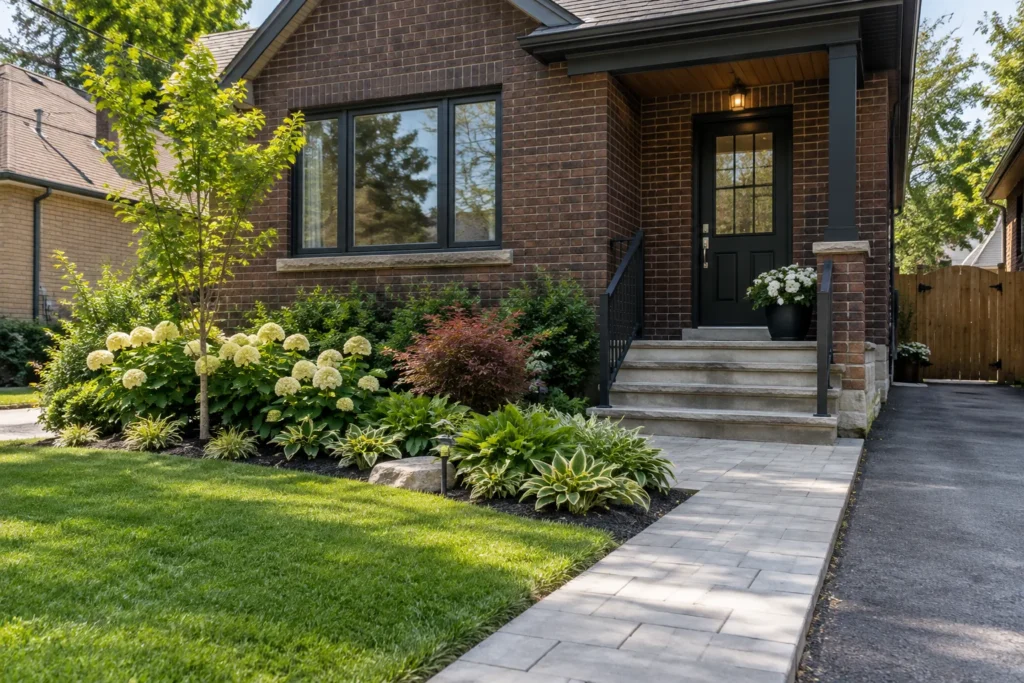
| Property need | Recurring scope to define | Separate decision to discuss |
|---|---|---|
| Growing lawn | Mowing, trimming and agreed edge attention | Sod replacement, aeration or grade correction |
| Established bed | Weeding, edge care and selected pruning | Redesign, plant replacement or major reduction |
| Seasonal leaves | Visits or cleanup coverage expressly agreed | Large accumulated cleanup outside that coverage |
| Patio and walks | Surface debris and visible condition observations | Paver lifting, rebuilding or joint work |
| Wet side yard | Avoiding damage and noting the condition | Drainage assessment, excavation or new outlet work |
| Winter routes | A distinct winter service arrangement | Unlisted paths, hauling or other additional work |
Lawn edges influence the effort needed to maintain neighbouring beds. An overgrown edge can allow grass into planting, while a sharply cut trench can create an awkward wheel drop if it is deeper than the site needs. Review the existing edge type and agree the intended finish. Care should preserve useful surfaces and plant roots rather than chase an identical appearance on every property.
Garden maintenance starts with recognizing what is planted. Perennials, shrubs, bulbs and self-seeding plants can need different handling, and some growth is best retained until its season is understood. State whether pruning is selective upkeep, plant-specific seasonal work or a proposed larger reduction. Tree assessment, hazardous branches and specialist arboricultural work require a separate appropriate provider.
Moist ground also changes the visit. Repeated travel over saturated turf can rut or compact it, and standing water may indicate a condition beyond routine care. Discuss how access restrictions and weather-related changes will be communicated. If the same area repeatedly fails, lawn care and garden care should lead to an assessment of the cause rather than an automatic promise to replace the finish.
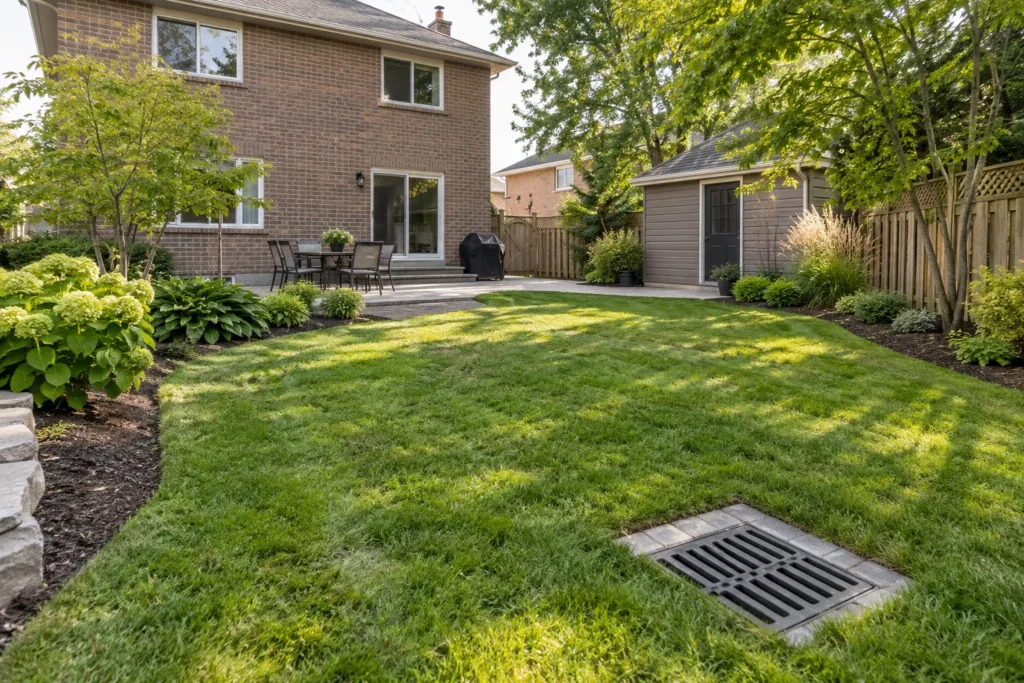
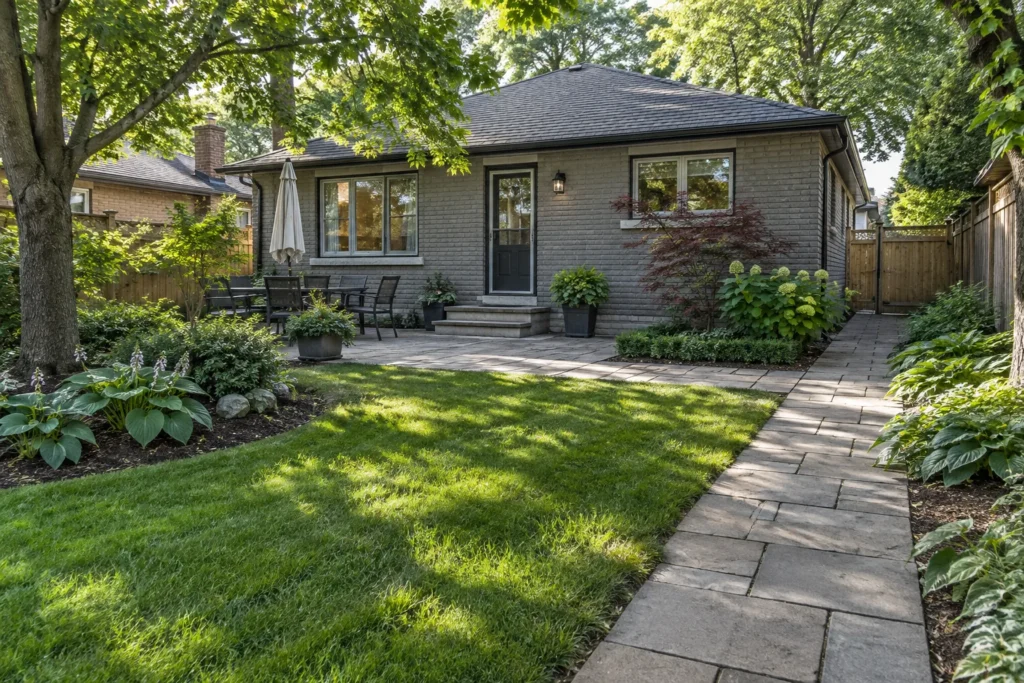
The agreed scope should describe tasks, areas and frequency in language that can be checked against the property. Frequency is a decision based on the site and arrangement; this page does not establish a universal weekly package. Confirm what is included and how changes are authorized before service begins.
List the lawn and beds, the type of edge and trimming attention, and any accessible paths included for surface debris. Specify exclusions such as planters, vegetable gardens, major pruning or inaccessible slopes.
State how spring and fall cleanup, mulch, leaf removal and establishment care are treated. These jobs can require a different amount of work from a routine visit and should not be presumed included from the word maintenance.
Agree how a damaged edge, failing shrub, blocked surface-water route or inaccessible area will be brought to the owner. Observation does not amount to engineering, tree-health diagnosis or a guarantee that every concealed problem will be found.
Define who can approve changes and how the proposed work will be described. Plant replacement, repair and landscape improvements should have an identifiable scope before they are added to a recurring arrangement.
Use the spring cleanup to remove agreed winter debris, review lawn and beds and identify repairs. Let ground conditions inform access; a calendar date alone does not make a saturated lawn ready for traffic.
Keep the regular tasks focused on the agreed areas and observe changes as growth develops. Newly installed sod or planting may have watering and use restrictions that need separate establishment attention from the owner or an expressly included service.
Coordinate fall cleanup with leaf drop, retained garden growth and the routes needed for winter. Record vulnerable edging, fixtures and access obstacles before the first snow covers them.
A recurring problem can be a sign that the layout needs adjustment. A narrow grass strip between a fence and bed, planting that blocks a gate or an inaccessible corner behind equipment can consume effort without improving the yard. Discuss modest changes that support the existing landscape instead of repeatedly working around the same obstruction.
Maintenance and landscape construction remain different scopes. Changing levels, enlarging paving, replacing a retaining feature or installing substantial new planting can require planning, utility checks and other approvals. Keep those projects separate from routine care so the preparation and responsibilities are visible. The property maintenance hub connects related services without making them automatic parts of a household arrangement.
Changes around the house can affect a previously workable routine. A new shed, relocated gate, garden extension or different parking arrangement can alter access and the maintained area. Tell the service contact before those changes affect a visit, and update the area map or task description where necessary. The same applies when the household begins caring for a bed itself or adds new planting with particular instructions. Clear current information helps recurring work remain consistent with what the owner wants.
Yes, define the areas and tasks you want assessed. You may maintain some beds yourself while requesting lawn and seasonal help elsewhere. Mark those boundaries clearly and mention shared areas or access routes so the estimate does not rely on a broad assumption about the entire lot.
That depends on the agreed scope. Larger seasonal cleanups can involve substantial debris and different work from a recurring visit. Ask whether they are included, what their coverage is and how additional accumulated material or repeat leaf visits will be handled.
Routine attention may reveal those conditions, but a lasting repair depends on the cause. Shade, use, soil, water and previous construction can all matter. Lawn renovation, soil preparation and drainage work need their own assessment and authorization rather than being implied by mowing.
Watering responsibility must be discussed expressly. New plants and sod need establishment care that can differ from regular visits. Confirm the water source, access and who will monitor conditions between visits; do not assume occasional maintenance supplies everything a new landscape needs.
Winter work can be discussed as a separate scope. Identify the private driveway, paths and steps, plus any windrow or ice-treatment request. Triggers, timing, return visits and snow storage need written agreement specific to winter use.
Tell us which areas you want maintained, what the household will keep handling and which seasonal tasks need attention.
Tell us what you would like to change, repair or maintain around your property.